There are 91 million posts under the #athleisure tag on Instagram, and the number increases every week. Athleisure is not just a single style; it is a complete system. It is the combination of movement, comfort, self-awareness, and regular style into an everyday fashion practice. Shoppers want to find apparel items that are suitable to wear for exercise and also fit them throughout the rest of their day. The real reward lies in catching a new and sustained behavioral shift before your competition even wakes up instead of merely mimicking what your top seller has been doing. This article is a manual that shows you the same method again and again: how to find the clues, how to estimate the longevity of the trend, and how to design the right product for the masses to buy.
What separates a mega-trend from a category trend and a microtrend?
The three words refer to different things but get interchanged often, which results in wrong inventory and design decisions.
- Mega-trend refers to a long-term change in people's behavior or values; the best example would be work clothes that are all about comfort. It alters the buying habits of customers for a very long time.
- Category trend relates to development in one item type or its particular usage, like skirts that are specifically intended for running. Even though it may expand rapidly, it does not deviate from its domain.
- Microtrend pertains to a very swift fashion statement, for example, a specific color being worn all over or where the logo is placed on the t-shirt that will spread like wildfire and die off in such a short time that a season of clothes would be barely enough.
In order to figure out which is which, try posing a straightforward question: is it something that will continue to dress someone up for many years ahead, or is it just something that they will post this month?
That difference will guide your total planning. Micro trends require an operation that is very small and can be done quickly with less risk of failure. Category trends will be supported by a varied range of products which will eventually grow with your business. For mega-trends, you should consider a big change in the style of your core line.
What is the five-signal athleisure early-warning system?
Recognizing a mega-trend at an early stage implies focusing on signals that most of your rivals miss until it is all over for them. Here are the five signals of most importance:
Participation and lifestyle behavior
Observe how people live and go about their activities rather than merely watching what they consume. Gym memberships, joining running clubs, downloading yoga apps, and outdoor participation reflect how your customers will be dressed in the future. A large increase in players of pickleball tells more than a sales increase of pickleball clothes because behavior usually comes before buying by several months.
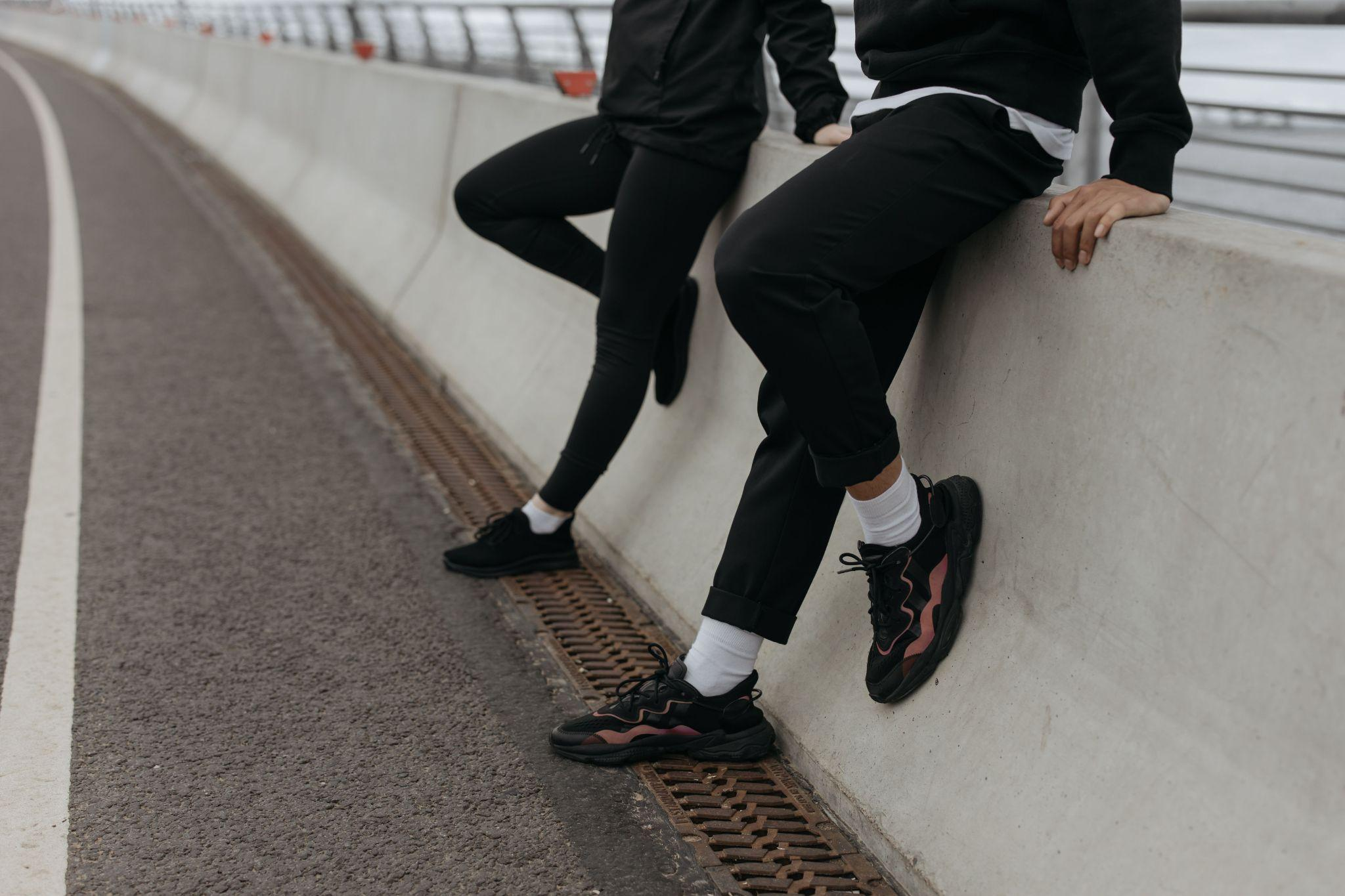
Local running club expansion, for example, is likely to appear soon in nearby stores before such brand awareness and trend reach the mass level. Also, analyze the different seasonal behaviors as well. The one that keeps up from spring till fall will carry more importance than one associated with a season or a short weather window only, such as the winter holidays.
Creator and athlete adoption across distinct communities
One creator wearing a style means the fashion is a noise. However, when different types of influencers, running content creators, yoga instructors, streetwear accounts, and golf ambassadors all wear the same look simultaneously, you know it is a signal. The trend is so real that it is a change only after it gets cross-individual adoption because then, the idea becomes more than just a single specialty.
Repeated silhouettes, materials, colors, and styling combinations
Monitor trends going from brand to brand and season to season.
- High waist bottoms going with cropped tops becoming a new norm
- Non-woven cotton fabrics with either brushed or peached finishes substituting standard cotton blends
- Brightness of colors subdued to an earth-tone color scheme that is found among different designers
- Layering a tight inner garment with a loose over garment
A repetition of the same fashion elements in brands with no communication to one another; such repetition is meaningful.
Competitor assortment, collaborations, variants, and price architecture
Look at how rival brands use the addition of color options, collaborate with influencers, or bring up different price categories within a product.
A company that launches five different versions of one model within a single quarter will give you a pretty good indication of what product they reckon will be popular.
A collaboration with an athlete who is famous outside of a sports field or a creator who is not sport-focused may hint that the company's main aim is broadening the target audience for the trend.
Customer reviews revealing unmet performance, comfort and styling needs
Besides being a great source for doing market research, customer reviews remain untapped. Study the grievances and features desired in competitors' products. A frequent comment is requesting the insertion of pockets, a breathable material, or a longer leg length, and this is an indication of which product area has potential for you to fill it.
Reviews sorted on a numerical rating scale with 3 and 4-star reviews being your focus, as the customers from this group are more likely to give a suggestion instead of praise or general complaining. The very language used when naming their request may very well become the exact one of the features your next product will have.
How do you score commercial durability?
Spotting a signal is only half the job. Score it against a few plain factors before you commit budget.
| Factor | Question to ask |
|---|---|
| Frequency of use | Will people wear it several times a week or once in a while? |
| Wardrobe compatibility | Does it pair with items people already own? |
| Climate and geography | Does it work across regions or only in one climate? |
| Technical credibility | Does the fabric or construction hold up to real activity? |
| Price tolerance | Will shoppers pay a premium for it? |
| Repeat potential | Will buyers come back for a second or third color? |
It would also be helpful to consider the opposite of the evidence that supports the situation. For instance, the engagement of users is decreasing for the posts related to a trend, or competitors are offering stocks at a discounted rate, or the number of times that creators have referenced it is going down. These can suggest that the trend is going to disappear. Once the market has been saturated with a certain style, you may notice all the brands in your shopping history have launched the same outfit design at almost the same time. This is one of the ways a first mover strategy gets nullified.
How do you move from a trend to a differentiated concept?
Being able to recognize a trend does not at all mean being able to duplicate it in your product. The idea is to do visual research and to discover the common features across the category. Identify the silhouette, color, and fabric that most other competing products have. Once you understand what these other brands have in common and what is unique about your brand, look at the areas that still need attention and development.
Once you have a clear idea of the gap or white space in your industry, AI garment redesign tools can assist you in generating a range of design variations specific to your brand. Based on your own design codes, these tools can create a multitude of different silhouettes or variations of color schemes.
Collaborate with a human designer, technical development, and IP review before the sampling phase starts. The exploration part is where AI is most effective as a support element, and the rest relies on human judgment regarding the originality and legal aspects of a product.
How do you validate through a low-risk product test?
Producing a limited number of products is a much safer bet.
- Create a prototype or a sample to observe the result after actual wear and wash.
- Manufacture a small amount of the merchandise or take the option of pre-ordering as a means of testing the actual demand level of the product.
- To gain valuable feedback about product features, creators that are the most representative of your brand audience are to be consulted.
- Record the promises or selling points that you expect to make and confirm the claims backed with real evidence in each of them.
A low-key release will give you genuine buyer data and customer feedback without requiring inventory storage space. A very strong sales record over a few weeks should be considered a good enough reason to scale production; whereas a weak sales performance will not only stop further losses but also save you from a much bigger loss.
How does Garmio support sportswear opportunity research?
Garmio's platform enables fashion designers to discover new trends and influencer-generated ideas. The tool also lets you perform image search, monitor your competitors, and extract insights from product reviews - all within one centralized interface so you're not wasting time by having to switch between different apps.
By using a single application that is both a market trend watcher and a product concept generator, you can monitor a creator's adoption of your product in several social communities, compare the stock arrangements of your competitors, and uncover the main issues people have with reviews without manually going through hundreds of customer review texts.
Moreover, Garmio directly connects these pieces of evidence or proofs to a new product direction. It also provides you with AI-created concepts that are rooted in the code and essence of your brand instead of a mass-produced generic template.
Conclusion
Pursuing the latest buzzworthy looks drains your finances and hinders brand recognition at the same time. Instead of that, you support actual, deep-rooted behavioral shifts that are revealed through data on participation, diversity of the creators involved, recurring design elements, and customer opinions. You will be much more likely to create something that withstands the test of time by doing this. Keep the pace slow. Follow only a couple of indicators. Before getting committed, test what you find by scoring each against tangible commercial factors.
Using Garmio to make a watchlist of athleisure trends and start monitoring relevant signals before your rivals do.
FAQ
What is athleisure?
Athleisure is athletic or performance-style garments that can also be worn in everyday settings for comfort and looks. It looks great in a gym or outside of it.
What is the difference between activewear and athleisure?
Activewear is made essentially for doing physical activities, while athleisure, on the other hand, is inspired by activewear elements and performance features but prioritizes everyday usability and style.
How can brands spot athleisure trends early?
The most effective approach is to analyze lifestyle data of people's behavior, monitor how different creators use these trends, identify design details that repeat themselves, track competitor moves on products, and also consider direct feedback from customers. No single factor alone can tell you the whole story.
What makes a sportswear trend durable?
The durability of a trend usually stems from its frequent use, its actual usefulness besides looking good (functional value), ability to go with different types of outfits (wardrobe compatibility), reliable performance, and finally, the fact that the trend is adopted by different communities who are not even related.
Can social media predict the next sportswear trend?
Yes, social media platforms are an incredible source of clues at the very beginning. To avoid making bad investments, it is necessary for you to corroborate the insights from social media with product trials, information on competitors, and customer comments.
How does Garmio help with athleisure forecasting?
Garmio offers tools for discovering trends, tracking content creators, visually searching, watching the activities of rival companies, and analyzing reviews, along with AI-supported style reworking.
Related Reading
- How Fashion Brands Can Reduce Fit-Related Returns
- How to Find Profitable Fashion Niches with Competitor Data
- Micro-Collections Made Easy: How Garmio Helps You Design and Source Fast with Low MOQ Suppliers
- Social Commerce Secrets: How to Uncover Viral Instagram Aesthetics and Turn Feed Traffic into Sales
- How to Find Profitable Apparel Variants and Reduce Dead Stock
Written by Garmio
Garmio provides fashion market intelligence for sellers who need clearer product, trend, influencer, and competitor signals before making inventory decisions.
Editorial note: This content supports research and decision-making. It does not guarantee sales, forecasts, fit outcomes, return reductions, or business results.