

Fashion styles are numerous, leading to confusion when selecting one. Names like "boho," "preppy," "streetwear," and "gorpcore" may be understood, yet when opened in a wardrobe, they require clarification. Punk originated in the 1970s, grunge followed in the late 1980s, and the new aesthetics appear online every season. This guide elucidates types, including basic attributes, desired items, and ways of mixing and matching.
Quick answer: A fashion style embodies consistent ways of dressing characterized by silhouettes, colors, fabrics, and attitudes being repeated. Typical types are classical, casual, minimalist, bohemian, streetwear, preppy, sporty, vintage, edgy, romantic, and avant garde.
What Is a Fashion Style? Style vs. Trend vs. Aesthetic
Three words get mixed up all the time. Knowing the gap between them makes every other section easier to read.
A style is a way of dressing that lasts a long time. It can be personal or cultural. The classic style is a good example.
A trend is a brief burst of popularity. A color may take over the shops for a season and then vanish.
An aesthetic is a visual identity given a name. Dark academia and gorpcore are some examples. Aesthetics are often styles but have new labels.
Styles can overlap or change. One can have simple basics and a vintage jacket too. People have a mix of different styles, which is really common.
The Main Types of Fashion Styles
Below you will find 20 styles in four groups. Each entry has a short definition, key pieces, colors and fabrics, and who it suits best. Read all four groups or jump to the one that feels closest to you.
Classic and Timeless Styles
Steady styles. Wear clean cuts, good fit for years. Start here for no dated wear.
Classic
Neat, classic feel. No loud logos or sharp trends. Dressed-up look for most places.
Key pieces: Trench coat, white shirt, straight slacks, loafers, fitted blazer.
Colors and fabrics: Navy, beige, white, grey. Cotton, wool, leather.
Best for people who want fewer good clothes and easy mornings.
Minimalist
Simple shapes, few colors fit most. Match them all with a small wardrobe.
Key pieces: Plain tops, slim knits, wide trousers, white sneakers.
Colors and fabrics: Black, white, grey, camel. Cotton, linen, fine knits
Best for organizing fans, travelers, or capsule wardrobe lovers.
Formal and Business
For the office suit with a formal look. The sharp cut is a sign of neatness.
Key pieces: Suit, dress shirts, pencil skirts, oxfords, and ties.
Colors and fabrics: Navy, black, and grey in wool, silk, and linen.
Best for many style-related jobs or events.
Chic
Easy chic with simple pieces plus one special extra detail. A belt or an eye-catching earring creates a modern dress code put together.
Key pieces: slip skirts, structured bags, well-fitted blazers, pointed heels/ankle boots.
Colors and fabrics: black, cream, deep red, and soft pastel shades in satin and wool.
Perfect for people who want to appear smart with little fuss.
Casual and everyday
Comfortable for home-working, running errands, or hanging out with friends, as well as the rapidly changing street-style fashion scene.
Casual
Most individuals rely on casual attire. Jeans and tees, that's what I prefer. Truly, there is no pressure in it.
Key pieces: Denim, T-shirts, sweatshirts, blouses, trainers.
Colors and fabrics: Classic blue denim, white, greyish, and mellow colors. Made of pure cotton or jersey.
It suits any age, weather, or financial circumstance for daily use.
Athleisure and Sporty
Athleisure proposes a blend of workout attire and casual dresses. It gives an active impression irrespective of the absence of training exercises.
Key Pieces: Tight trousers, jogging pants, jogging jackets, bicycle shorts, running footwear.
Colors and fabrics: black, gray, and striking highlights. Stretchy knitted fabric blend.
Ideal for energetic individuals who need comfort more than anything else.
Streetwear
Streetwear grew out of skating, hip hop, and beach culture. It is big sizes, logos, and trainers. Rare stock and strong brands make up much of the style.
Main items: Big sweaters, special t-shirts, big pants, thick trainers, caps.
Colors and fabrics: Black, green, white, bright colors. Heavy cloth, fleece, and nylon.
Good for: Those who like striking styles and speedy trends.
Gorpcore
Gorpcore uses hiking and outdoor equipment in the city. The term landed in 2017 from a snack called "gorp." Now waterproof jackets and hiking shoes are worn in town. Go to our guide about gorpcore for more.
Main items: Technical jackets, fleece coats, big trousers, hiking shoes, sun hats.
Colors and fabrics: Green, orange, blue, gray. Nylon, fleece, and water-resistant material.
Good for: Those who want real clothes that cope with rain and long hours.
Free-spirited and creative
The focus here is on character. They combine distinctive designs, fabrications, and eras. It is the mood and narratives that count most of all, not the established norms.
Bohemian
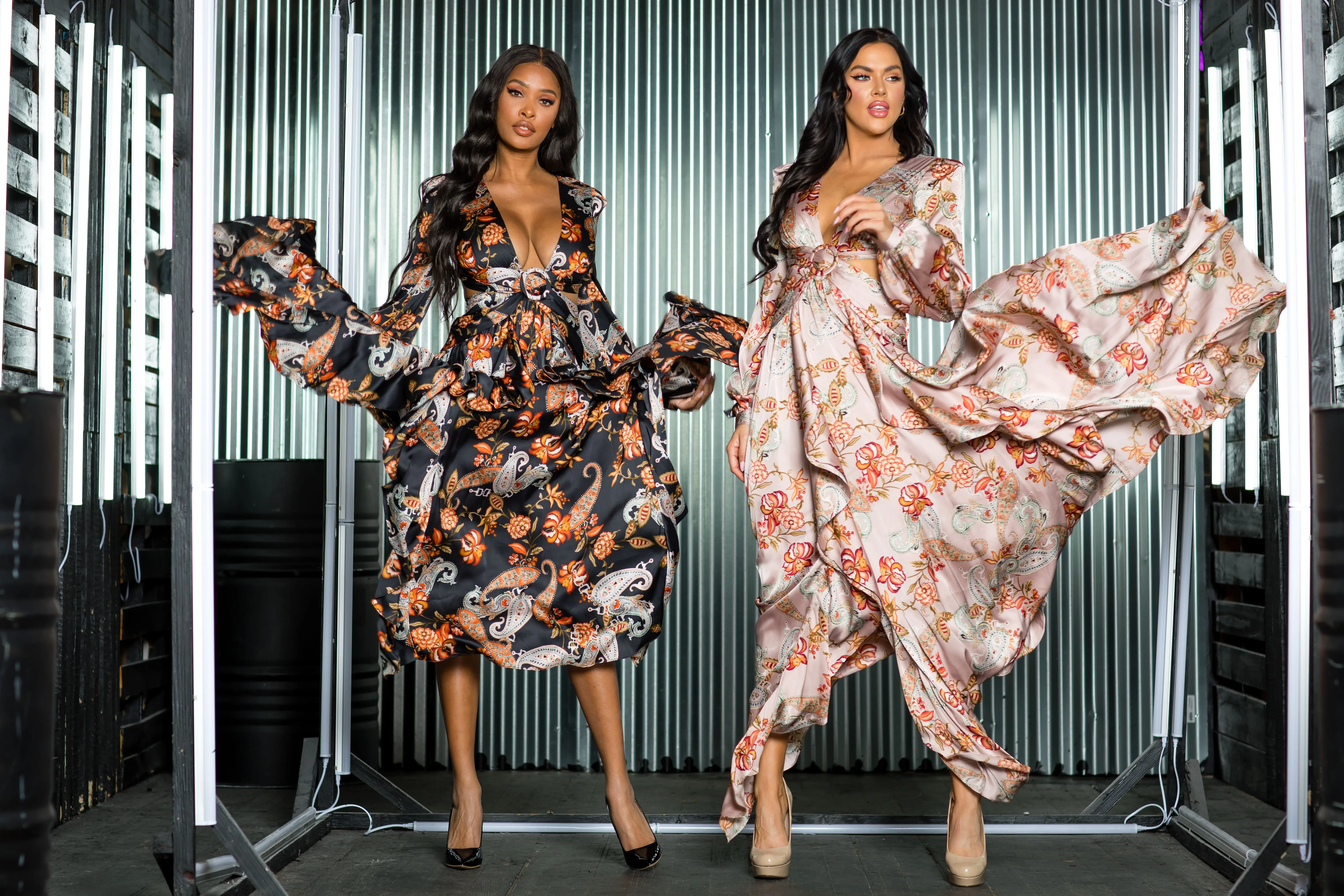
Bohemian or boho is characterized by looser fits and a more earthy artistic look. It draws its inspiration from the counterculture of both the 1960s as well as the 1970's. The shapes tend to be flowing and textures natural.
Key pieces: Maxi dresses, peasant blouses, fringe bags, wide-brim hats, layered jewelry.
Colors and fabrics: Rust, mustard, olive, cream. Cotton, suede, and crochet.
Best for: Free thinkers and anyone who loves a soft, flowing silhouette.
Vintage and Retro
Vintage clothing is taken from previous decades such as the 1950s or the 1970's. This category includes actual secondhand items as well as new pieces that imitate those styles.
Key pieces: High-waist denim, swing dresses, cardigans, retro sunglasses, leather jackets.
Colors and fabrics: This varies depending on the era, but think polka dots, mustard yellow, teal, and wool.
Best for thrift lovers and history buffs.
Artsy
Artsy clothing is special. It has handmade parts and strange shapes. It uses many colors. Jewelry is unusual. Layers are too.
Key pieces are jackets with prints, tops with odd shapes, wide pants, and strange jewelry.
There are many deep colors. Some prints are painted. Fabrics are linen, wool, and dyed by hand.
Artsy suits artists, makers, and people who like unique styles.
Eclectic
Eclectic clothes mix types. A flower skirt goes with a leather coat and sporty shoes. It makes a nice contrast.
Key pieces are prints that mix; old clothes found; bold things worn together; and layers of different materials.
Colors and fabrics can be anything. It depends on how you feel.
Eclectic suits people who dress with confidence. They dislike strict labels.
Romantic
Soft and graceful. Ruffles, lace, soft shapes. Delicate but playful feel.
Key pieces: Ruffle blouses, floral dresses, lace tops, puff sleeves, ballet flats.
Colors: Blush, ivory, lavender, sage. Fabrics: Chiffon, lace, silk.
Best For: People who like soft and feminine things.
Edgy and subculture-driven
Bold, dark styles from music and rebellion. Send strong messages. Come and go through the years.
Grunge
Came from Seattle music in the 80s and 90s. Worn, layered, relaxed. Nothing new or tidy.
Key pieces: Flannel shirts, ripped jeans, band tees, combat boots, slip dresses with tights.
Colors: Black, forest green, burgundy. Fabrics: Flannel, denim, worn cotton.
Best For: Music fans and those who like a lived-in look.
Punk
Punk dress came from London and New York in the 1970s. It is loud, torn, and full of attitude. Many people make their own clothes.
Key pieces include leather jackets, studded belts, plaid trousers, boots, and safety pin details.
Colorful clothing consists of black, red, plaid, leather, denim, and thick cotton.
This style is for bold people who want to stand out.
Gothic
Gothic style came from the post-punk music scene in the early 1980s. Dark colors and dramatic shapes were used. Goth accessories are heavy, and the mood is dramatic.
Key pieces: black dresses, corsets, long coats, platform boots, and silver jewelry.
Colors and fabrics: Dark purple, burgundy, black velvet, lace, and leather.
This style suits people who love dark romance and drama.
Avant Garde
Avant-garde fashion is unusual and pushes boundaries. It is mostly seen on runways instead of streets. Sculpted forms, odd shapes, and new fabrics are especially used.
Key pieces include sculptural jackets, uneven dresses, oversized layers, and strange shoes.
Blacks and whites, bright colors, and experimental materials are in fashion.
Creative people view clothing as art.
Y2K
Reviving late 1990s and early 2000s trends like low-rise jeans, mini skirts, and shiny fabrics.
Key pieces: Teen-style T-shirts, low-rise jeans, mini skirts, butterfly clips, and shoulder bags are vital.
Colors and fabrics: Pink, silver, light blue, denim, velour, as well as metallic textures are trendy.
For pop culture enthusiasts or joyous dressers.
Dark Academia
Based on old universities, libraries, and literature. An intellectual vibe with moodiness.
Key pieces: Tweed jackets with turtlenecks, pleated skirts, oxfords, and satchels are essential items.
Colors and fabrics: Brown, dark green, greyish-black, and cream shades with tweed, wool, as well as corduroy materials are favored.
Ideal for readers or students who enjoy serious moods.
Fashion Styles Comparison Table
Need a fast view? This table sums up all 20 styles. Scan the last column to find your match.
| Style | Defining pieces | Typical palette | Vibe | Best for |
|---|---|---|---|---|
| Classic | Trench, white shirt, loafers | Navy, beige, white | Polished | Long-lasting wardrobes |
| Minimalist | Plain tees, wide trousers | Black, white, grey | Clean | Capsule wardrobes |
| Preppy | Polos, cable knits, chinos | Navy, red, green | Neat | Structured casual |
| Formal | Suits, pencil skirts | Charcoal, navy, black | Sharp | Offices and events |
| Chic | Slip skirts, blazers | Black, cream, red | Sleek | Effortless polish |
| Casual | Jeans, tees, sneakers | Denim, white, earth tones | Easy | Daily wear |
| Athleisure | Leggings, joggers | Black, grey, bright accents | Active | Comfort first |
| Streetwear | Hoodies, cargos, sneakers | Black, olive, bold pops | Urban | Trend fans |
| Gorpcore | Shells, fleece, trail shoes | Olive, orange, stone | Outdoorsy | Practical dressers |
| Bohemian | Maxi dresses, fringe bags | Rust, mustard, cream | Free | Soft silhouettes |
| Vintage | Swing dresses, retro denim | Era based | Nostalgic | Thrift lovers |
| Artsy | Printed jackets, odd cuts | Jewel tones | Creative | Makers and designers |
| Eclectic | Mixed prints, found pieces | Wide range | Playful | Rule breakers |
| Romantic | Ruffles, lace, florals | Blush, ivory, sage | Soft | Feminine moods |
| Grunge | Flannel, ripped jeans | Black, green, burgundy | Rugged | Music fans |
| Punk | Leather, studs, plaid | Black, red | Rebellious | Bold personalities |
| Gothic | Corsets, long coats | Black, purple | Dramatic | Dark romance |
| Avant garde | Sculpted shapes | Black, white, color blocks | Artistic | Fashion risk takers |
| Y2K | Baby tees, mini skirts | Pink, silver, blue | Nostalgic | Pop culture fans |
| Dark academia | Tweed, turtlenecks | Brown, green, cream | Scholarly | Book lovers |
How to Find Your Personal Fashion Style
These steps help you spot your fashion style without guesswork.
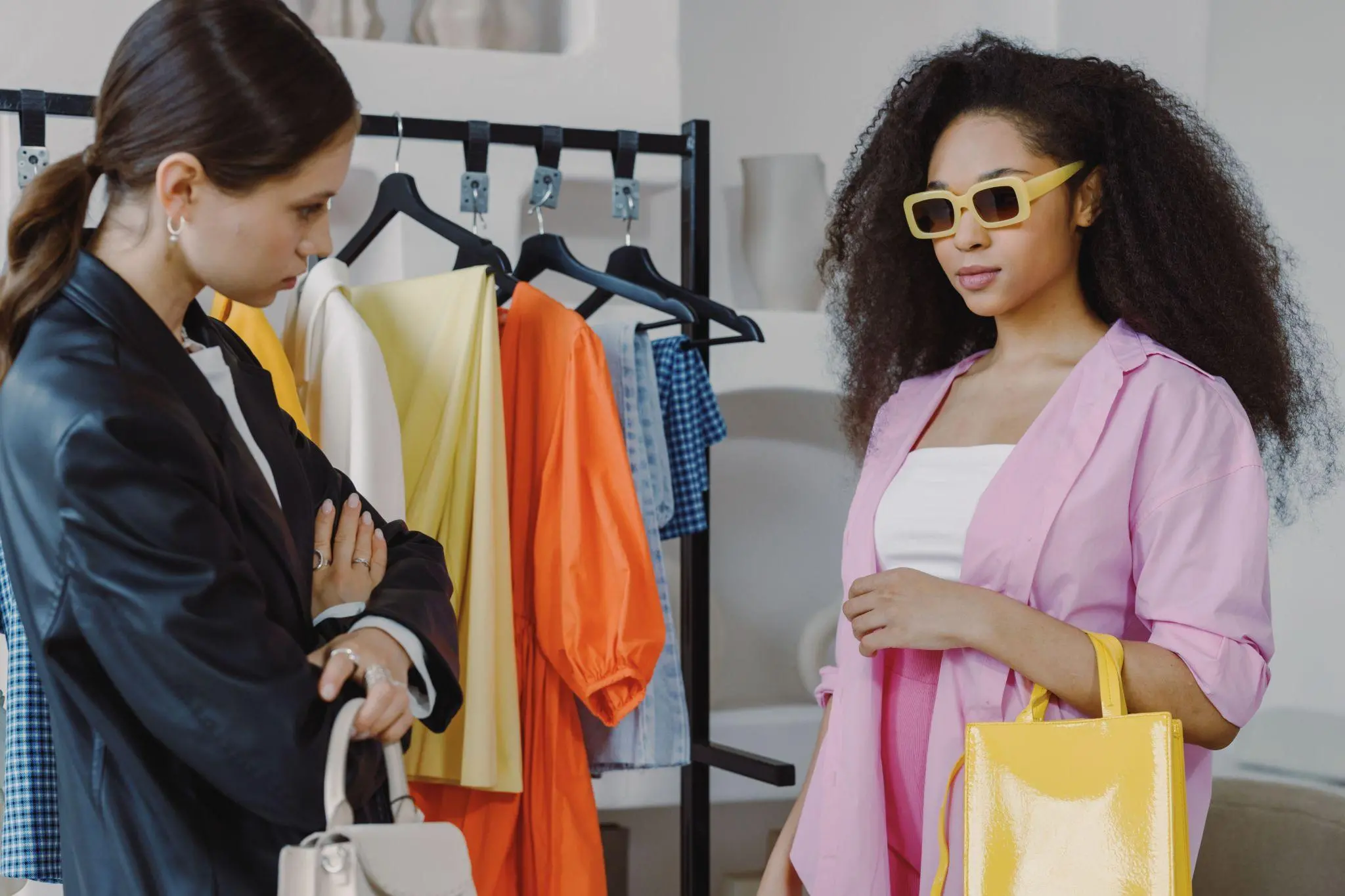
Look in your closet, pick the favorite pieces, and write down the colors and fabrics of those clothes. Admire others' style, save them on a board or in a folder, and look for patterns after a few weeks. Consider your climate, routine, and budget; the style you want must be practical.
- Begin with 3 to 4 core pieces and add one new style element at a time.
Your love for clean lines suggests minimalistic or classic style. While comfort suggests casual or athleisure, bold prints refer to bohemian or eclectic, and dark moods could be goth or grunge. Choose styles that fit you. Think about those who have demonstrated similar preferences.
Action takes time; continue changing gears and allow at least the first few weeks before deciding whether something suits you.
How to Mix Different Fashion Styles
Mixing styles keeps your outfits fresh. Follow these easy tips to make it work well.
Choose a main style for your outfit. Use one or two items from a different style. This helps make it clear which styles are there. Too many styles together can seem messy.
Beyond the main style, ensure that the color palette is cohesive. Use matching tones to connect pieces. Make sure to combine different proportions as well. For example, wear a big top with slim or straight bottoms.
Here are some pairings that look great:
- Minimalist clothes with street sneakers
- A preppy sweater over vintage jeans
- A romantic blouse paired up with a leather jacket
- A classic trench together with chunky hiking shoes
Start by wearing one mixed outfit once each week. Take note of favorites you have worn again afterward. This may help you discover your true style.
Which Fashion Styles Are Trending Right Now?
Styles tend to emerge and dissolve at various rates. Some linger for many years, while others burn bright for just one or two.
Classic and minimalist fashion trends are stable. Retro styles come back through cycles, like Y2K. Online aesthetics evolve at a lightning pace, where a single video can lead to a viral trend. Gorpcore showcases both sides. It began as a niche trend and became a long-lasting styling habit for many shoppers.
You can track these shifts through data, rather than relying on guesses. Data on search volumes, social posts, and sales patterns indicate where tendencies are moving. Colors, silhouettes, and minor aspects also experience rise and fall in popularity, not just general styles.
This is where Garmio's Trend Finder assists brands. It reveals which styles, colors, and shapes are gaining traction, as well as those that have reached a plateau. Consequently, planning is based on evidence rather than intuition. For a closer examination of how trend data supports brand growth, refer to our article about organic virality and trend data for fashion brands.
Building a Collection Around a Style
If you own a boutique or you are dropshipping, you can start by choosing one style. Make a collection of pieces that are similar in style. This way, shoppers will find it easier to choose what they like within your range.
Select a style that has been shown to be in demand. Create a capsule collection of items that are similar to that style. Keep the colors and fabrics uniform. Add a few pieces that are slightly different from the main style in order to get more shoppers.
Start with a small number of items before you go for a large collection. You can test the waters with a micro collection, as it is less risky. Check our guide on micro collections versus print on demand for more information. If you are designing your own cuts, use AI style redesign to speed up the process.
Bottom Line
Fashion styles are just guides. Mix and match them as you wish. Focus on one style until you're sure. Then you can add more styles that are interesting to you.
Brands should also follow this idea. To design the right collections, they need to know what styles are popular. Check out Garmio.ai and use the Trend Finder to find out what people will want next.
Frequently Asked Questions
What are the main types of fashion styles?
Common styles include classic, casual, minimalist, and bohemian. Others are streetwear, preppy, sporty, vintage, edgy, romantic, and avant-garde. Each has its own features.
How many fashion styles are there?
There is no exact number. New styles happen all the time on the internet. Style categories range from 7 to 24 in most guides. We cover 20 here.
What is the difference between a fashion style and a fashion trend?
A style endures over years while a trend only lasts for a couple of seasons. Trends pass through styles as they add just a new color or item for a little while.
How do I find my personal style?
Find out what you usually wear most often. Keep styles you like so you can see similarities. Consider them for your lifestyle and budget. Include some new items gradually.
What are the most popular fashion styles right now?
Worldwide, casual, minimalist, streetwear, and athleisure remain very trendy. Meanwhile, retro styles like Y2K and outdoor styles such as gorpcore have also gained lots of attention. Use the Trend Finder tool to get live updates on your market.
Can I mix different fashion styles?
Definitely! But anchor each outfit around a main style while borrowing one or two pieces from others. Maintain a color scheme as well as proportions.
What is the difference between fashion styles for women and men?
Styles are basically the same but distinguishable by things like fit, cut, and typical pieces worn. However many styles including minimalist, streetwear as well as classic suits any gender nowadays. Most importantly, people ignore this division and, when picking clothes, focus on those that fit them best.
What kind of clothing never goes out of style?
Timeless looks are always in. Classic looks feature simple shapes and fits along with neutral colours. These minimize fashions that change with every season.
Related Reading
- What Is Fast Fashion? Definition, How It Works, and Why It Matters
- How to Find Profitable Fashion Niches with Competitor Data
- What Is Gorpcore? The Complete Guide to Functional Outdoor Fashion
- The 2026 Guide to High-Margin Fashion Dropshipping: Top Suppliers + The AI Strategy to Out-Style the Competition
Written by Garmio
Garmio provides fashion market intelligence for sellers who need clearer product, trend, influencer, and competitor signals before making inventory decisions.
Editorial note: This content supports research and decision-making. It does not guarantee sales, forecasts, fit outcomes, return reductions, or business results.