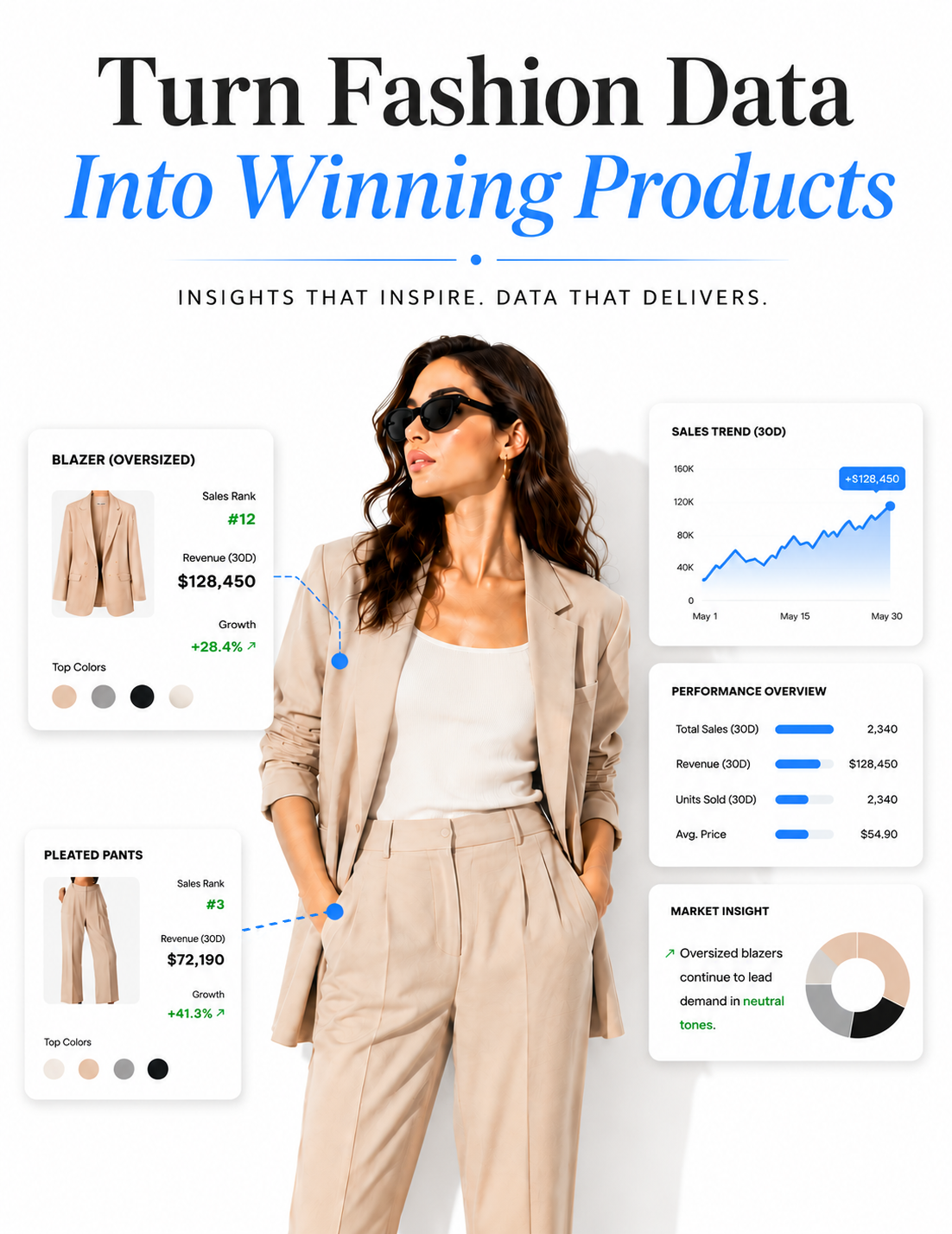

Fast fashion, a term familiar to many, can leave people confused. How can the price of a brand new shirt be lower than a sandwich? Open the shopping app on your phone, and there you go: new, trendy garments, perhaps the result of one of the world's most recent fashion shows. This swiftness is far from a random occurrence - it is an outcome of a business strategy whose aim is to make styles into a trend as fast as technology allows.
Here you will find a comprehensive guide to what fast fashion is, the brands related to it, the price they hide behind the low prices, and the ways we can shop and sell wisely.
Fast fashion can be described as a business model that rapidly produces large volumes of inexpensive fashion items that follow the latest trends. This business idea allows the transformation of fashion design ideas into finished clothes on the shelves of stores within just weeks instead of months. The emphasis is on getting the product out quickly, low production and selling costs, and introducing the latest styles frequently.
A Short History of Fast Fashion
Fast fashion did not arrive at once. This phenomenon was in fact the result of a chain of changes which transformed the way clothing was designed, manufactured, and sold. Below are the major elements of the evolution.
From seasons to constant drops
Throughout the whole 20th century, fashion industries were running slowly. Fashion houses presented their main outfits twice a year, in autumn and spring. Some houses introduced a few other occasions. The waiting period for buying runway products amounted to a few months. The fashion season was a concept. In the 1980s and 90s, the fashion season as a slow rhythm was interrupted. Retailers were able to shorten the time of product preparation and restock stores frequently.
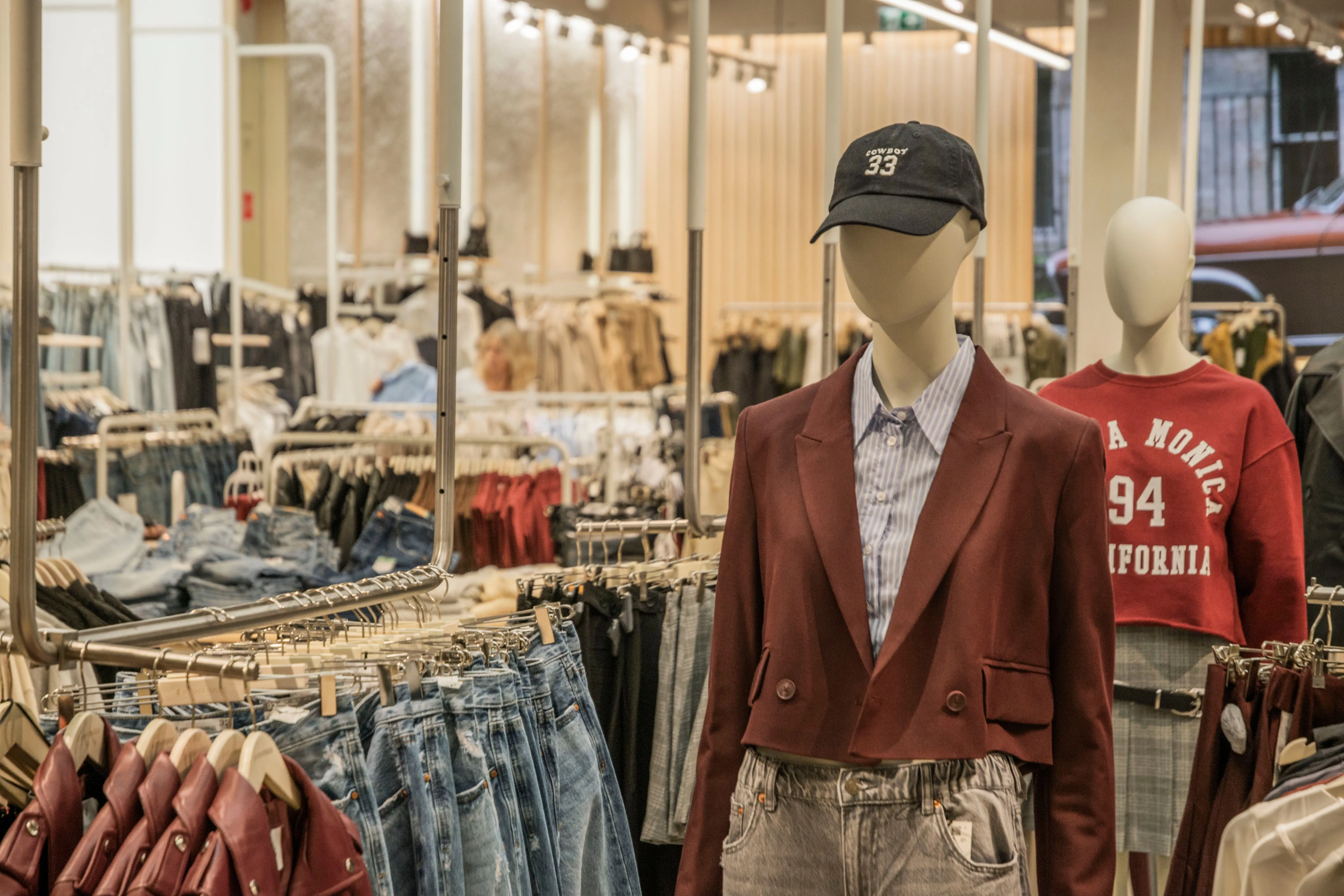
According to Merriam-Webster, fast fashion is an approach to design, manufacturing, and marketing which focuses more on quick and inexpensive availability of fashions. The phrase is mostly attributed to the very first years of 1990s, when Zara opened in New York, and the press noticed it for its very short manufacturing cycle.
Quick response supply chains
Then the shift came from the production side of things. The stores built quick response sourcing chains. Firstly, the producers delivered small quantities, and the retailers monitored sales; if they were successful, the retailers placed quick orders. In the meantime, most of them were sourcing their manufacturing to places that pay lower wages to their workers. Shipping costs also decreased. The lead time for products that took several months to produce and arrive was now only a few weeks.
Social media and ultra-fast fashion
Fast fashion was already quick, but the internet came in to quicken it still further. It took only one photograph of an outfit posted on social networks to create a trend. E-commerce made it possible for brands to have sales across the globe at the same time as launching new collections, and doing away with stores altogether was no longer necessary.
These factors led to the birth of ultra-fast fashion. A typical instance of this is fashion brands that run their business only over the internet. They release thousands of designs simultaneously and also experiment with minuscule samples while keeping an eye on what is selling, and rapidly scaling up the production of that item. At present, there are some major retailers who release a new collection every week, or even some who are able to release a new garment every day.
The consequence is a significant increase in the amount. According to the McKinsey report, clothing production nearly doubled from the year 2000 to 2014.
Moreover, consumers bought roughly 60% more clothing articles in 2014 compared to 2000, the latter being the time of a clothing revolution in terms of accessibility and variety. In the same time span, people also started getting rid of their old clothes more frequently, as clothes nowadays tend to get discarded after only a few uses.
How the Fast Fashion Business Model Works
One cycle exists in the program. Identify a trend, develop it swiftly, sell it, and repeat. All steps are primed to save time and money.
Step one: spot the trend
Design squads scour catwalks, star attires, street fashions, and social networks for functional designs. They check out sales figures and internet searches for trending shapes, hues, and prints.
Step two: design and sample fast
Designers produce sketches in no time. Samples come afterward. Major companies can go from concept to shop racks in around 2-3 weeks, whereas conventional brands take half a year.
Step three: produce at low cost
Manufacturers churn out clothes in bulk using inexpensive synthetic textiles like polyester, as they are cheaper compared to natural fibers and easy to dye with vibrant colors.
Step four: test, repeat, and discount
Brands start with small runs and reorder quickly for selling styles or reduce prices, eventually moving on from unsold ones; thus, continually offering new arrivals encourages repeated visits.
In a nutshell: You spot trends, make clothes, sell them, and then reorder or drop prices. The snag? If you misjudge how much to produce, you're stuck with leftover stuff that expires.
Characteristics of Fast Fashion
There are some clear markers that indicate a fast fashion brand. These traits are shared by all the brands that belong to this category. Look out for these features.
- Ridiculously low prices. The stuff is sold at an unbelievably low rate when compared to regular retail prices.
- Trendy styles don't last long. The fashions change frequently and are quickly sold out.
- Mostly synthetic materials. Polyester is the favorite fabric used.
- Wear out quickly. Seams may come undone after just a few washes; also, fabric and shape can fade fast.
- New stuff drops all the time. It's released on a daily or weekly basis, creating a sense of urgency among buyers.
Fast Fashion Brands and Examples
Some brands are fast fashion. There is no formal list. Here are examples based on the way they work.
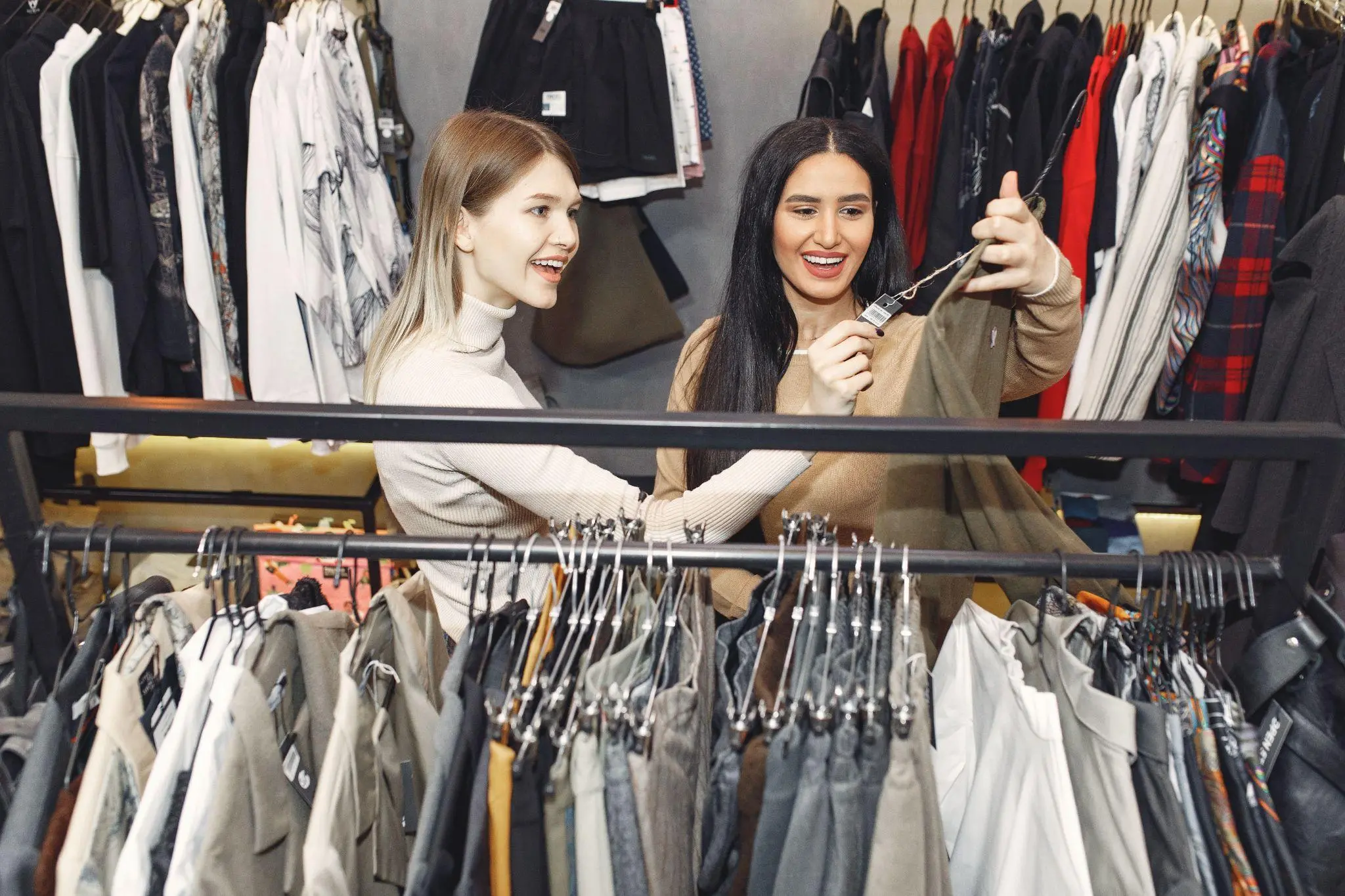
Established fast fashion retailers
Zara, H&M, and Mango are in this group. They have many stores and often release new lines. Some experts argue that Zara fits the strict definition less neatly than others. It makes more items closer to home and reacts to demand with small runs.
Value-focused chains
Primark is an example. It mainly sells low-priced basics and trendy things in physical stores. Its online selling is less than those of its peers.
Ultra-fast online players
Shein, Boohoo, and Fashion Nova belong here. They rely mostly on online sales. They have a large number of styles closely tied to social media trends. They can do it faster and more than old chains can.
The brand classification is debated, and the practices of businesses shift. Always check each company's current reports for you to judge it.
Fast Fashion vs. Slow Fashion
Slow fashion is all about great quality. It emphasizes producing fewer but better garments. The table displays the key differences.
| Factor | Fast fashion | Slow fashion |
|---|---|---|
| Production speed | Weeks from idea to store | Months, often by season |
| Volume | High, with constant new styles | Low, in smaller runs |
| Materials | Mostly cheap synthetics | Natural, recycled, or durable fibers |
| Price | Low | Higher |
| Garment lifespan | Short | Long |
| Typical business model | Test, repeat, and markdown | Made to order, small batch, or limited release |
Some brands are less extreme than fast fashion or slow fashion. They make items according to customer demand. This way, there is little leftover stock. It speeds up trends without much waste.
The Environmental Impact of Fast Fashion
The process of producing clothing involves the use of land, water, energy, and chemicals. The faster the cycle of clothes production, the greater these resources' usage. All the facts and figures you see here are well-referenced.
Textile waste and landfill
According to the Ellen MacArthur Foundation, each second about one garbage truck worth of clothes and other textiles are thrown away or set on fire in landfills. Another finding from the Foundation is that only 1 percent of the raw materials that go into making clothes are being turned back into clothes. Cheap prices and low quality of clothes only increase the amount of discard and waste.
Water use and dye pollution
The production of cotton and the dyeing of textiles consume a lot of water. According to the UNEP report, it requires about 2700 liters of water to produce just one cotton shirt. One can think of it as the amount of water one individual drinks in 2.5 years. Besides this, water from dyes, when untreated, gets into the rivers in areas that produce dye.
Greenhouse gas emissions
According to the UNEP, the fashion sector contributes between 2 and 8 percent of the world's greenhouse gas emissions. The data is scattered; hence the wide range of the estimated figures. Production of artificial fabrics depends on fossil fuels. More carbon dioxide emissions are added from long journeys and the use of air freight.
Microplastic shedding
Your washing machines will detach small plastic strands from your polyester or nylon when you run a laundry cycle.
The International Union for Conservation of Nature estimated in 2017 that roughly 35% of ocean-going primary microplastics are a result of synthetic textiles being washed.
The microfiber and up in the ocean via rivers with help from wastewater.
The Social and Ethical Impact
Clothes come from many workers. Fast fashion forces them to hurry up.
Worker pay and conditions
Many garments are made in Asia. Workers earn little but work long hours. The 2013 Rana Plaza collapse killed 1,134 workers in Bangladesh. It showed that factory safety is a big issue. Some places have improved, but others still have problems.
Pressure on suppliers
The brands rush the factories. Changes in orders make people work even faster. Suppliers push workers harder for low prices. Pay and safety gaps widen under this stress.
Disposable clothing culture
Low prices lead us to buy clothes for only one event. Many folks own many clothes they do not wear often. It feeds the cycle of waste.
Pros and Cons of Fast Fashion
Fast fashion has real benefits and real costs. A fair view covers both.
Pros
- Low prices make style affordable.
- Wide access, both online and in stores.
- Huge choice of trends and sizes.
- Jobs and income in manufacturing economies.
Cons
- Heavy textile waste and pollution.
- Labor and safety concerns.
- Low durability and short garment life.
- Constant pressure to buy more.
Alternatives to Fast Fashion
Style is not sacrificed to reduce our impact. Little habit changes accumulate. Companies have alternatives.
For shoppers
Begin with a simple step: purchase less and purchase better. Then try these suggestions.
- Thrift stores and resale apps for secondhand shopping.
- Rent garments for weddings and one-time events.
- Repair hems or buttons before replacements.
- Trade clothes with friends or during local events.
Scrutinize labels carefully. Certifications and transparency reports can offer guidance on rating a brand. However, certain claims may be ambiguous or exaggerated. This is referred to as greenwashing. Investigate the issuer of the label and what it includes.
For brands
Producers can reduce risk by manufacturing smaller quantities at once. Small batches, made-to-order items, limited drops, and preorders all assist. These systems connect production with actual demand. This maintains a modest stock and reduces markdown.
The Data-Led Alternative for Brands
Fast fashion relies on data about patterns. The issue is too much is made. If there's a mistake, it ends up as markdowns and waste. A smarter route checks demand in advance.
Make less, with proof of demand.
Signals of demand show what shoppers want right now. Styles, colors, and silhouettes trending upwards are some examples. Also, rival assortments indicate failure or success. Thus, data enables small runs of things liked already.
Garmio already does this by providing three tools:
- Trend Finder shows styles/colors/silhouettes gaining traction.
- Competitor Monitor observes launches/restocks by rivals.
- Market Insights reveal category demand movement.
These tools together lead to lean buy decisions based on tested ideas supported by the data.
Bottom Line: Move Fast With Less Waste
Fast fashion means cheap, trend-led clothes made at speed. Its trade-off is clear. Low cost and new styles are the benefits. But this comes at a cost to people and planet. But brands can have both speed and efficiency at work. They can produce only what is in high demand. Use Garmio's Trend Finder at garmio.ai to find out what people want today.
Frequently Asked Questions
What is fast fashion in simple terms?
Fast fashion refers to cheap clothes that are made quickly to copy the latest trends. Stores frequently get new styles, which aren't designed to last long.
Why is it called fast fashion?
The name comes from how fast the clothing goes from an idea to the store. Brands do this in just a few weeks, instead of months.
What are examples of fast fashion brands?
Some common examples of fast fashion brands are Zara, H&M, Shein, Primark, Fashion Nova, Boohoo, and Mango. Different lists exist, so take any list with caution.
Is Zara fast fashion?
Most people consider Zara to be fast fashion. The brand often releases new designs and reacts quickly to sales.
What is the difference between fast fashion and ultra fast fashion?
Ultra-fast fashion is the online version. These brands keep thousands of new styles coming out while testing small batches in the market.
Why is fast fashion bad for the environment?
Fast fashion makes a ton of clothes that clutter landfills. The runoff from dyeing dirty water, release of carbon pollution, and high water use accompany this process. Synthetic clothes shed microfiber every time they are washed.
What is the opposite of fast fashion?
It's slow fashion, which advocates making fewer high-quality pieces that are made with a lot of care, keeping longevity in mind.
How can I avoid fast fashion?
Only buy what you need, but choose ones that last long; preferably second-hand, rent for special occasions, repair them yourself, and exchange with your friends, just like checking off labels instead of looking out for vague statements.
Related Reading
Written by Garmio
Garmio provides fashion market intelligence for sellers who need clearer product, trend, influencer, and competitor signals before making inventory decisions.
Editorial note: This content supports research and decision-making. It does not guarantee sales, forecasts, fit outcomes, return reductions, or business results.