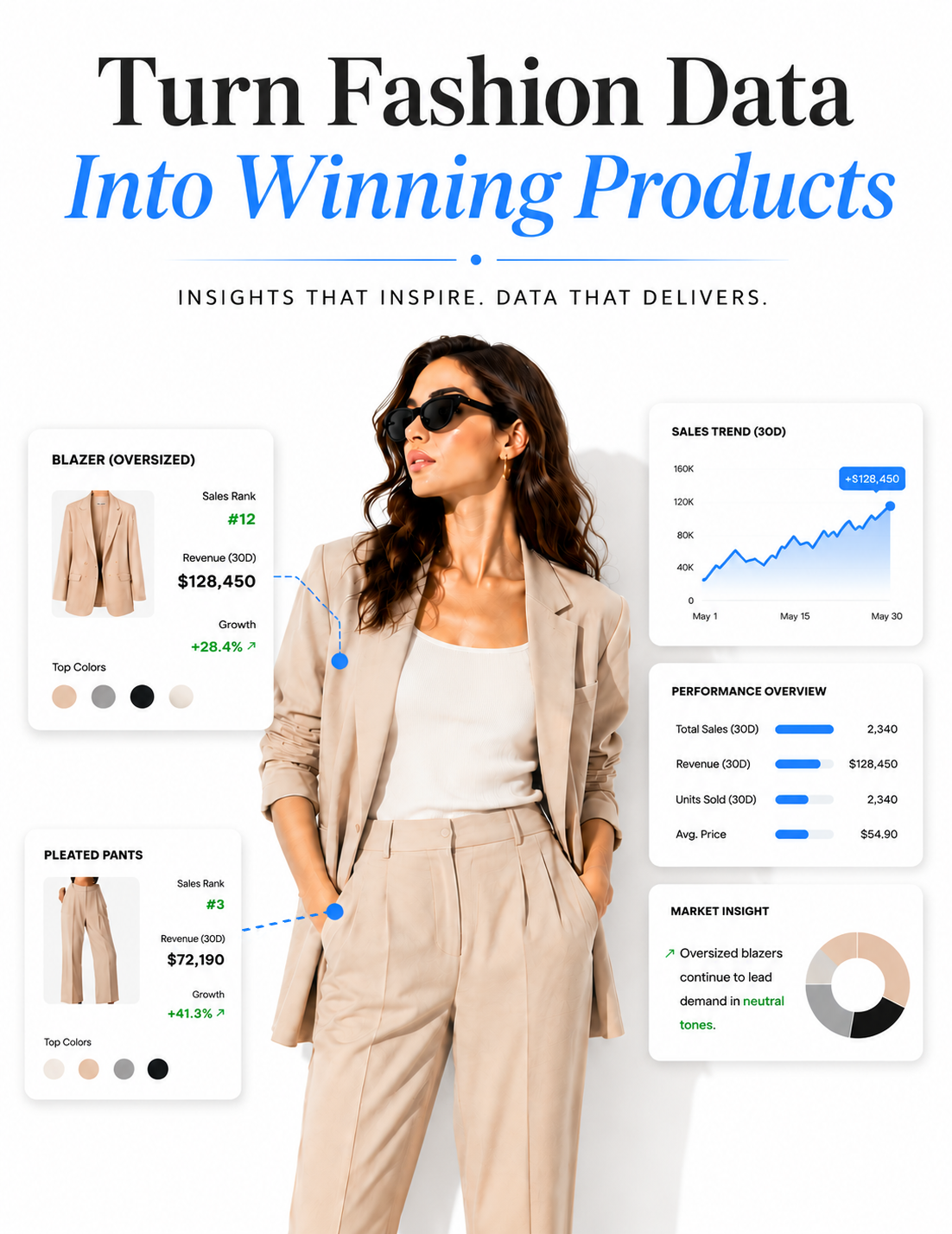

A micro-collection is a very limited and focused release centered on one very specific theme. One picks only a handful of really top-notch pieces instead of producing a complete fashion line. In this way, not only are you able to gauge the popularity of your products, but also your inventory level is kept minimal.
Thanks to the availability of low MOQ suppliers, launching via such tiny batches is a reality since you are now allowed to place only small orders instead of thousands of units at once. However, there is a trade-off - costs may escalate on an individual unit level, the creation of samples is more time-consuming, and quality control becomes increasingly complex if only small lots of products are made.
This article describes in a step-by-step manner exactly what micro-collection you should aim for from the very first time that is going to be your first, i.e how to identify the target buyer and how to responsibly source your items so that your little fashion line actually gets customers.
Choose the customer and collection thesis
To even start developing your line, decide who you are designing this for.
Focusing only on one customer type, one occasion, and one price range is key. While athleisure is very popular, one cannot expect that the same collection would appeal to evening wear lovers. A combination of the two would be a disservice to the store.
The hero product will give a hint about your collection. Your collection revolves around a jacket, a skirt, or a pair of gym pants.
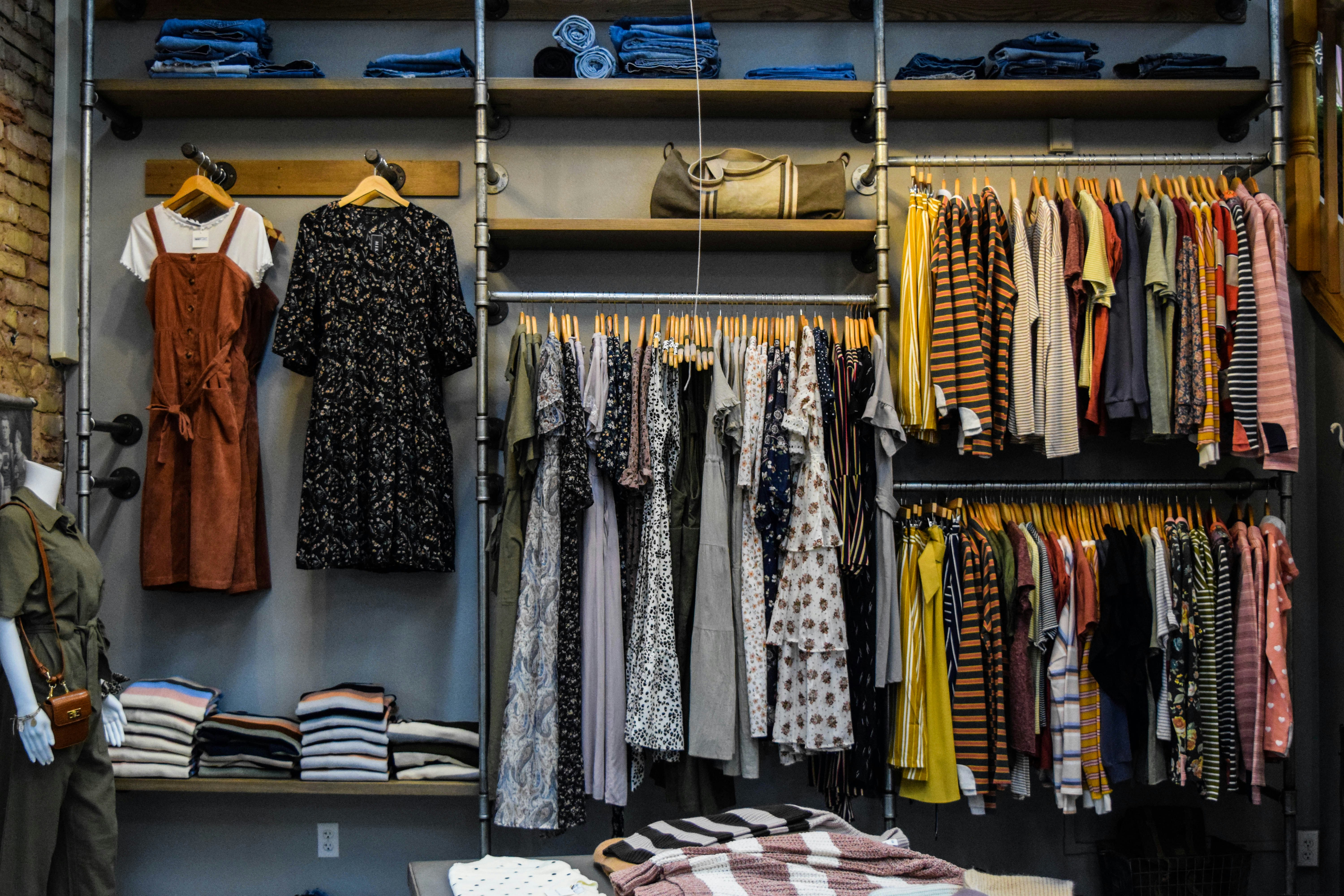
One aspect of a trend is that it can only tell a bit about it, whereas the whole plan will include more elements besides. For example, a very bright color can inspire your designs, but a trend of a very short skirt and tight top may look good for just your first season, while later on, it will make you lose customers when your designs have changed.
Validate before you design
Burning money on your inventory that is completely irrelevant will most likely result in that inventory going unsold.
Here are some things that you should look at before you finalize a design:
- The amount social media has been talking about that style or category of products,
- Repeated visuals of that type in brand logos and customers; it shows that it is not just a coincidence, but it is actually quite a widespread trend.
- Misinterpretation by competitors - that is, products that customers are looking for but that competitors do not have.
- Customer review complaints that identify fabric or fit issues that you can solve before launching your own model
You also want to think about how you are going to get them to buy from you, how many of them to stock, and what price range that you would be charging.
For instance, an idea, no matter how much the demand may justify it, if it is going to get a very low rating for operational feasibility, your first order run may be a lost cause if your supplier cannot handle the job within the time limits agreed upon.
Build a coherent 3-8 SKU range
Limited lines often sell better than an endless array, and besides, they are also cheaper to make.
Think of your SKUs as three types:
- A feature product: the piece that shoppers mainly look for; there is usually only one or two styles of it
- A complementary product: these items go together with the feature ones and complete the outfit
- Extra pieces: usually tiny things like accessories or basic clothes that increase the average order value
Reduce the number of different fabrics, trims, and colorways. A fabric or a trim addition means you have to open a new conversation with the vendor, do a sample, introduce a new point of contention. Three colorways across your entire theme will suit you far better than having eight of them distributed thinly throughout your collection.
Use AI for concept variation, not final design
Artificial Intelligence design tools can offer you rapid change of the look from a given point, helping you to consider many more variants. Nevertheless, when you decide on the direction and want to implement it for actual product development, the human designer still has a lot of work to do, e.g., fit, construction, fabric behavior, and pattern work all require professional input. Doing an initial check for IP issues before jumping into actual development can prevent a situation of reproducing a design that someone else has rights to.
Source low-MOQ suppliers responsibly
Sourcing is what gives the green light for ideas being turned into things or makes them die at the idea stage.
Write a clear RFQ
Describe your RFP as:
- Detailed requirements of a product: materials, sizes, construction
- Minimum order quantity per color or style: suppliers' approach to minimums varies
- Cost and delivery time for samples
- Market-relevant quality standards
- Possible payment schedules and ways to handle defective units
- Ownership issue of the tech pack and pattern after production
Vet the supplier before you commit
Take the chance to test your supplier, check the samples manually, and compare the results with your expectations. Verify the supplier's business registration. Request references from other producers or brands. Ask direct and specific questions about the production capacity for your order volume.
Compare landed cost, not unit price
A unit price that is low may actually be the result of high shipping or customs expenses, or the supplier being very slow in production or delivering products that have lots of defects. Total costs for delivering goods at the buyer's designated destination include unit price, transportation, duties, etc., as well as the amount of reworking done at the factory after goods have been delivered.
| Cost Factor | What to Check |
|---|---|
| Unit price | Base cost per piece from the supplier |
| Sample cost | Charge per sample round, and how many rounds you expect |
| Shipping | Freight method and per-unit shipping cost |
| Duties and taxes | Import fees for your target market |
| Defect rate | Expected percentage of unusable units and rework cost |
Launch as a controlled market test
Your first launch can act as a test in market, rather than a bet-the-business situation.
To ensure that, pick your favorite way of launch: either preorder, or a waitlist before you get started, or maybe a small inventory run that you still have the bill for. Then, you are going to be a little bit cautious before you decide to stock more. For instance, set up a sell-through rate within the first two weeks as the requirement for moving forward.

The first launch is supposed to be used for gathering two things:
- Customer comments. They often use very specific language to describe their experience. That language will give hints on what to emphasize in the marketing materials for the next release.
- The main reasons for the return of garments will guide you to make fixes in fit, fabric, or sizing for the second version.
How Garmio connects discovery, redesign, and sourcing research
Garmio unifies the research and design functions so you are saved from switching among various tools, which would otherwise make your workflow very time-consuming.
Get to know exactly what is trending in the market at the moment from the marketplace insights. You begin by understanding the queries and clicks of consumers. In such a way, you would get rid of designing products based on assumptions and just go with the customers' actual needs.
Before designing it, check out a few product ideas for popularity and whether they will bring in business. From the product level, the market needs are affirmed, and the trend finder is employed for checking the product's viability.
Click to select and upload your reference picture. Instead of laboriously describing the product you would like to source to potential suppliers, you can make a quick visual image search and let the platform match or closely find similar items from the suppliers.
Link your online store to EPROLO, and thus, sourcing, inventory management, and fulfillment become automated. When the design has been decided upon, your e-store is linked to EPROLO so that sourcing and fulfillment are done on autopilot without manual back-and-forth intervention.
Your very first micro-collection has just been set up, and Garmio has provided only one interface for you to go from trend spotting to sourcing, the final step in a launch-ready range.
Conclusion
The best small collection is the one where each step flows naturally to the next one. Find your customer first, go out and check whether your idea will work before even putting a pencil to a canvas or paper, keep the number of SKUs as few as possible, and don't make a whole order without first checking the viability of the supplier.
Make it a habit to launch only as many products as you think you're going to sell, and keep the production at the right levels, so the feedback is real customers' words and sales figures of your second series come from them.
If you continue to run the same cycle, i.e., test-learn-refine, you may come up with a better second and third release than those brands that just put out one big line at a time. With every little run, you get a chance to check out if your product actually sells and, most importantly, to get first-hand information straight from customers.
Create your first micro-collection now with Garmio. Visit garmio.ai for trend spotting, market validation, and sourcing, all in one place.
FAQ
What is a fashion micro-collection?
A micro-collection is a small, carefully curated series of pieces centered around a single customer, occasion, or creative idea. By working in this format, brands get to assess the market without the risk of holding a large inventory.
What does low MOQ mean in clothing manufacturing?
MOQ stands for minimum order quantity, the smallest amount your supplier will produce for you. You can get suppliers to work on different bases: style, color, size, or even one total order quantity. Always double-check which one your supplier is using before you sign the agreement.
Are low-MOQ suppliers always cheaper?
Not necessarily. The unit price for small batches can be higher, and there will be more sampling costs. However, what you are losing a few cents can be made up in total cash required for inventory since you will not end up with a pile of unsold products after all.
How many styles should a micro-collection include?
There is no rule that defines the number of garment styles that make up a collection suitable for every brand. Most often, the first time a brand tries to launch something in this fashion is a limited number of styles (e.g., 5 to 10) that are interrelated and are selected according to the brand's budget and the size of its team able to work with them.
How do I verify a clothing supplier?
See their legal registration, request references from former clients, get samples and check their quality control processes, find out where they manufacture, and carefully go through the payment and production terms in the contract.
How can Garmio help design a micro-collection?
Our tech solution helps with the first phase of your fashion project: you will learn about the latest trends visually, get a list of fashion images for inspiration, conduct a competitive brand check, evaluate product reviews, and create different designs with the help of our AI. Then, when things get technical, your factory and the manufacturing side take over.
Does AI redesign replace a fashion designer or tech pack?
No. The AI tools are simply a time- and cost-saving device that opens up your creative possibilities during the conceptual phase. Pattern cutting, tailoring, construction, fabric selection, etc., need to be executed by a qualified clothing designer, and the accompanying technical documents to be handed over to the factory are prepared by a competent technical design team.
Related Reading
- Social Commerce Secrets: How to Uncover Viral Instagram Aesthetics and Turn Feed Traffic into Sales
- How to Reduce Bracketing and Apparel Returns with Better Product Data
- Stuck at a 1.5% Conversion Rate? 5 Fast Ways to Turn "Window Shoppers" into Buyers with Visual Style
- How to Spot Next Week's Viral Apparel Trends Before Your Competitors
- Beyond Google Trends: A Boutique Forecasting Workflow for Fashion Sellers
Written by Garmio
Garmio provides fashion market intelligence for sellers who need clearer product, trend, influencer, and competitor signals before making inventory decisions.
Editorial note: This content supports product and market research. Trend signals, forecasts, and product-page improvements do not guarantee sales, fit outcomes, lower return.