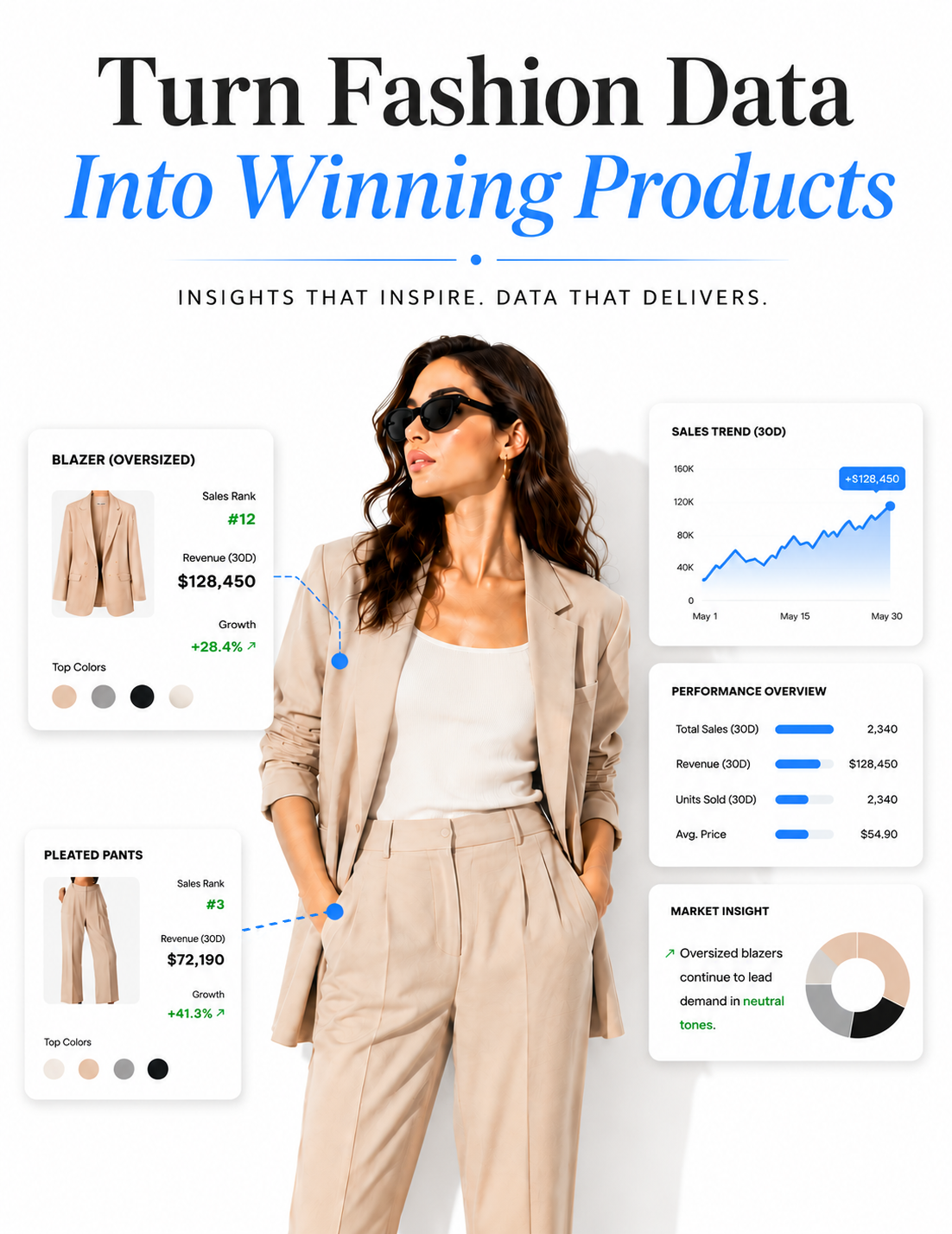

Imagine a woman purchasing a dress through her size brackets. She receives three sizes: small, medium, and large. She keeps the medium while she sends back the other two via a box in a week. It's bracketing, and it occurs in almost every apparel category online, from basics to occasion wear.
To bracket means that a customer intentionally orders different color sizes or adjacent styles, intending to return most of them. They keep what fits them best or what they like most. It's seen as a cost for returns on paper and not much else. Behind this reason, however, there may just be a trust issue instead.

Raising the return cost or having a stricter policy could be of use to reduce the amount of returned items in a spreadsheet. It will not, nonetheless, get to the root cause of why the shopper required the three sizes initially. If you don't solve the fit problem but still impose your punishment, you may lose the customer who would have ordered just once if your product description had been detailed enough to get that trust she placed on the first choice.
Closer to your warehouse, if the information gap is closed, then the backup orders start disappearing before even a single one has landed at your warehouse.
Diagnose Which Kind of Bracketing You Have
Not every extra order in your return data points to the same problem. Split the pattern first, or your fix will target the wrong thing.
| Bracketing type | What it looks like in your data | Root cause to check |
|---|---|---|
| Size bracketing | Same SKU, two or three sizes, one kept | Missing measurements, sizing chart mismatch |
| Color/style bracketing | Same item across colors or near-identical styles | Screen color drift, low confidence in the look |
| Occasion bracketing | Multiple outfits tied to one event or trip | No clear fit or styling context for the occasion |
Once the type of return is decided, you can go deeper:
- Besides breaking down by department, do a more detailed return analysis down to the specific SKU/variation.
- Check where customers came from - people who shop through paid ads usually bracket more products than people who open repeat purchase emails.
- Talk with different cohorts - new customers bracket items at a higher rate than shoppers who already have a good sense of sizes because of experience with how sizing works at your brand.
- Find return reason codes and separate the code categories as different. A 'didn't fit' category vs 'changing my mind' is very different and should not be blurred together.
Afterward, identify which cases are avoidable and which really can't be prevented. Someone who buys two shirts of the same dress at different colors and keeps the best color just makes an ordinary fashion choices decision - they aren't pointing out the wrong fit.
On the other hand, a person who orders three sizes of the same product because the size chart was only showing you options of S, M, and L is basically your size chart not delivering her needs to the page. These two customer types need to be treated differently. Wasting time on the wrong issue may cost around 25 percent of the testing process.
The Product Page Confidence Stack
The product page is a place where the consumer can decide between ordering just one item versus getting 3 pieces at the same time without even thinking through the purchase. When you build up her confidence to choose a single option from your product, she would not see buying additional copies as an insurance strategy anymore.
Precise Garment Measurements and Fit Notes
At face value, a size tag alone is a little misleading if that is all you have. Include measurements: chest, waist, hip, inseam & sleeve length.
Give the measurements in both Inches & Centimeters to be reader-friendly internationally. Mention whether this garment tends to run small, large, or regular to size.
State the stretch percentage if the fabric allows. Be completely honest in one simple line to explain to the customer, such as: "Fabric has 4 percent stretch, go with one size bigger for looser fit."
A single such message often results in a couple of fewer orders being placed.
Consistent Imagery, Model Context and Fabric Behavior
The typical consumer has only one image of the model in a picture. She is unlikely to get a full idea of how that piece would fit on someone with her body type.
Instead, display that same garment across a couple of different body types and heights. Under each pic, list the size and height details that the model is wearing. Also have fabric detail close-ups.
The fabric short film that the clothes go with, when the clothes are on and moving or arm swinging, is better at conveying to a consumer the drape and stretch of a piece than the five images put together.
Styling Guidance That Shows Proportion, Occasion and Compatible Pieces
Oftentimes, a customer who gets the bracket comes not due to the wrong fit but to the customer's uncertainty about how the fashion will look in her particular case.
Show the way the product has been made to suit that particular setting. Be it office, wedding, or vacation, you have the perfect place for it. Show other products to make proportions clear and recommend items that will go well with it. In that way, the customer will think in terms of a whole outfit, not just about one garment. One garment at the very least.
Review Insights Summarized by Body/Fit Context Where Lawful and Appropriate
That review that says, "5'6", medium ordered, fits the size true" would definitely speak louder than a rating star alone to the customer of this review at hand, etc. In situations where this is legal and suitable for the brand it is being done on, it would be really helpful to classify the comment areas by body type to help the customer get to know what's on.
For example, a 5'8", curvy customer can use a "Body type A review" feature and compare feedback from people having similar frames. One such addition alone can result in halving the customer size bracketing problem, as this answers the precise question which customer is posing at the moment of the decision.
Use Review and Competitor Data to Find the Real Objections
The bulk of the solution is in your review data; only they fail to analyze it correctly.
- Get back the popular phrases from reviews and support tickets: too sheer, short torso, tight through the arms, color looked different in person, fabric feels thin.
- Mechanics of successful explanations of strong competitors: how they write copy, show sizing through the measurement charts, and the photo choices for inspiration without copying photos or text.
- Share these data with the buying, content, and design departments for the next production to cover the problem area rather than just the page that has a copy.
This process will transform a list of complaints into an actionable list, so your team can act this quarter instead of vague high returns.
A Four-Week Bracketing Reduction Test
Do not spread the changes throughout your entire catalog. Do a small, controlled experiment with one segment and let the data tell you what was effective.
- Select a SKU group with a high return rate, and take a clear baseline: the units were ordered, kept, the ones exchanged, and the units returned.
- Punch in a variable set each time. Change only measurements and fit notes for the first week. Week two can have fabric videos and fashion photos. Keep other aspects fixed so that you know exactly what influenced your results.
- Increase keep rate and net profit by keeping track, not conversion only. It is a loss if selling brings about more returns, so it is only changing the time at which the issue occurs that is not a genuine victory.
- Limits to stay within should be determined before launching. Accessibility should be a main concern for sight aid and magnification users. Return rights will be protected. Return policy shall remain the same and be honest throughout the test because changing terms for returns stealthily is a big factor that destroys trust rapidly, in addition to the fit problem.
A few months of operation and return cycles allow you to detect a real change rather than noise in the data between the weeks.
Where Garmio Supports the Workflow
- Through customer review analysis, you can see what phrases they use when talking about fit, fabric, and sizing, not only for those products where you already have strong assumptions but also for the rest of your product catalog.
- We do the competitor analysis and visual research so that you get, for instance, the latest styling ideas and context, without having to be the one who takes pictures or writes copy.
- Work with the computer graphics to get a better understanding of a particular type of style that may have been causing some people a problem with style, and thus they might not have been willing to see an item to a customer. The fit validation and technical development processes are specialist ones that require your team, and that work remains with your team.
Conclusion: Increase Confidence Before Limiting Returns
Limiting returns is not the solution; it's the confidence in the product that needs to be the one that is improved. If you are selling products and not showing the right information, that is not only wrong but also dangerous.
Give your customers realistic measurements, photos of different body types, context for the event, and reviews with which they themselves can compare their size and shape. Then, the customer who initially ordered everything to find the right size would stop doing that as they become more confident in picking the right size without hesitation. They would just buy one product.
Are you ready? Go to Garmio and research your next product today.
Frequently Asked Questions
What is bracketing in ecommerce?
It refers to the habit of a customer selecting more than one item, such as different sizes or colors, usually with the understanding that some will be returned.
Why do shoppers bracket clothing orders?
The primary factors include differences in sizing between different brands, the lack of fit information on a product webpage, uncertainty about the color choice, free delivery/return policy, and fear that an item will sell out before a shopper decides to buy it.
How can fashion brands reduce bracketing?
Brands will have to work on enhancing measuring systems and the quality of product images, detailed descriptions of fabric, fit, and sizing of the garment.
Can styling data reduce returns?
Yes, if the issue is how the garment will fit and how to coordinate the clothes, then it can help.
Should brands charge for returns to stop bracketing?
It is primarily a business decision together with legal factors. If you set a fee, it may have the effect of decreasing the number of orders besides the number of returns you get; brands should first fix information gaps and check if loyal customers are still with you. After that, you can implement the fee.
How does Garmio help with return reduction?
Through Garmio, brands can uncover review themes, competitor presentation patterns, and styling opportunities that can contribute to the improvement of product and content.
Related Reading
- How to Spot Next Week's Viral Apparel Trends Before Your Competitors
- Stuck at a 1.5% Conversion Rate? 5 Fast Ways to Turn "Window Shoppers" into Buyers with Visual Style
- How Fashion Brands Can Reduce Fit-Related Returns
- How to Find Profitable Fashion Niches with Competitor Data
- Beyond Google Trends: The Smart Boutique Owner's Guide to Predictable Fashion Forecasting
Written by Garmio
Garmio provides fashion market intelligence for sellers who need clearer product, trend, influencer, and competitor signals before making inventory decisions.
Editorial note: This content supports product and market research. Trend signals, forecasts, and product-page improvements do not guarantee sales, fit outcomes, lower returns, or specific financial results. Always test with your own audience and data.