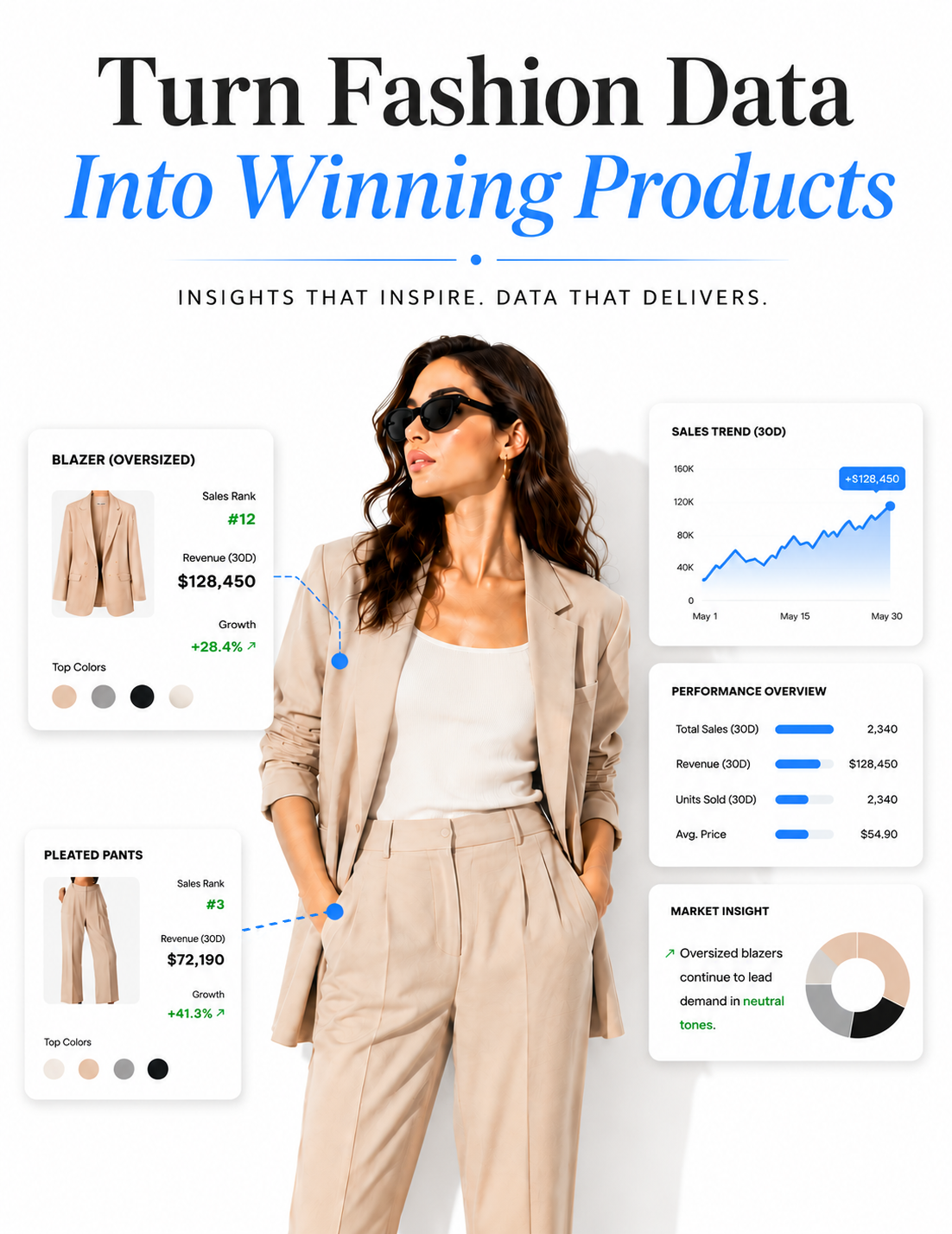

Modern fashion and social media are going hand in hand. A new product could be sold out before any ad campaign has even started. That is exactly why new stores are now challenging the traditional launch strategies.
The cost of paid acquisition is going up, whereas the returns are getting smaller and smaller. For young apparel brands without a history and no data in hand, those are especially big issues.
The good news is that you could be getting the trend data to plan product designs and then let the real users take care of the spreading for you. A brief guide to how viral marketing really is, and how we use trend tracking to support it, besides a simple method which one could use for their forthcoming collection is also included.
Why paid acquisition stopped working for new fashion brands
Ads used to quickly reveal what sold. Now, this is neither cost-effective nor reliable for unfamiliar brands.
Cost per acquisition has increased on social platforms recently. Apps' privacy changes and stricter rules limit audience targeting. Ads reach fewer marketers with certainty about who sees them. Less precision leads to wasted money.
Apparel has an oversaturated auction system where established brands can afford more bids. New stores cannot compete effectively by paid traffic alone to learn which product sells.
This is no longer just a small problem or a trend. It is definitely a change in how paid acquisition will work for the apparel industry. Companies that use ads as a method of finding out the potential of the products are, in fact, wasting their money, as they are charged a premium rate in learning the information that can be gained at no cost by trend data.
What "organic virality" actually requires (it's not luck)
Organic virality is often viewed as something magical or mysterious. The idea is a brand will post, hope a bit, and wait the rest. The spread of some content over others without any apparent explanation, and nobody really knows the whys.
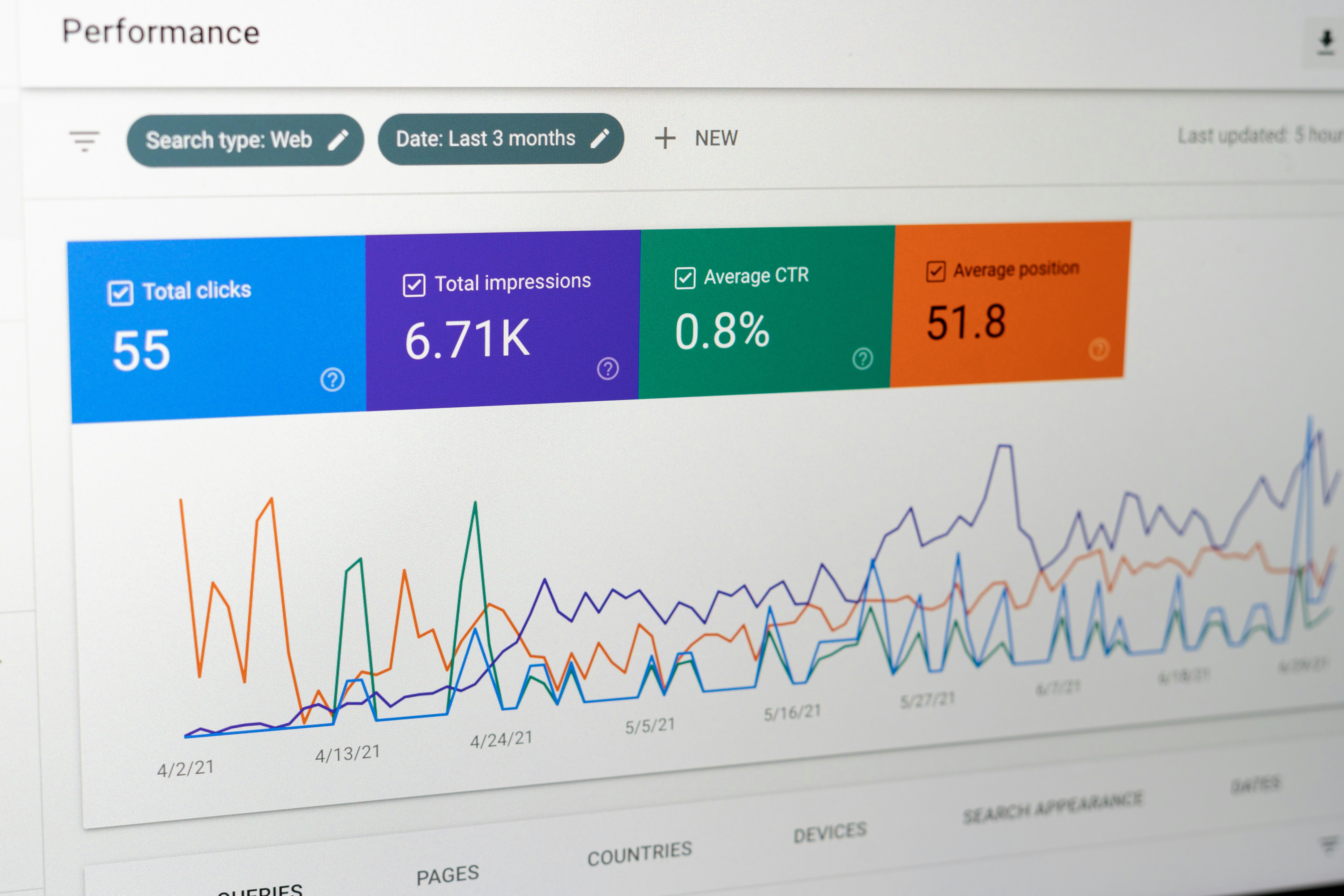
Real organic virality is all that. You are not trying to get your content better to spread after the event. You are actually a trend designer who identifies a phenomenon, and that gives it a reason, a product, to spread.
On the surface, both kinds of strategies look alike, but their outcomes are vastly different:
- Content marketing as a reaction: you introduce the product, and then you create marketing material in order for it to hit the target and get shared.
- Design informed by trend analysis: You spot an early signal, create the product you want, and only after that, you spread the information; you will be riding the wave of a current interest.
The second method eliminates the majority of the uncertainty. People like their products if they match with what they are doing, their searching, or their conversation. Your marketing content becomes, in fact, an ideal fit for an existing demand rather than your marketing being a bet on future demand.
How Garmio's Trend Finder and Influencer Tracker feed product decisions
Identifying an upcoming trend is just the tip of the iceberg. Making it a reality would mean monitoring a huge number of cues in different digital environments.
Trend Finder of Garmio looks out for emerging products, colors, and forms on Instagram, Shopify storefronts, and Amazon product pages even before the market is flooded with them. Instead of relying on a few viral posts to guess about a trend, the tool finds the trends by analyzing over 1 million products, and the detection rate is 90 percent, which is quite high in covering that volume of data. This way, the emerging signals will be available through the data much before you have a chance of noticing those through social feeds.
What an early rising trend signal looks like
Within this system, what typically identifies a growing trend is an increase in mentions, listings, or interactions within a specific time period, together with a relatively low level of competition. On the other hand, a trend that has reached its top point features a massive volume; however, a flat or decreasing rate of development.
Getting that insight is what it is all about. If a trend is still growing, a company has more time to design the product, to launch it, and to get it to the public before the market is taken up.
Why the Influencer Tracker matters here
Data about a trend informs the design. Data about who the top performers are is information as to how a product can get further visibility. Therefore, with the help of the Influencer Tracker, we pinpoint which creators already have a word to say about an emerging category, design or style.
That way, the list of potential influencers gets populated with people whose fans will already have an interest in the trend. This strategy dramatically reduces the space between spotting a signal and actual wearing and sharing of products by real people.
A 4-step framework: spot, validate, design, seed
The best way of using changes in demand reflected by data to actually launch a product is through a system or a model of doing things repeatedly. Below is just a sample scheme that could be applied to many different collections.
- Spot: Through Trend Finder, identify emerging patterns in product categories or colors that have not become too common.
- Validate: Check against Competitor Monitor and ask Is there someone already dominating this fashion by offering the same or almost similar products? If the answer is "Yes," then probably this one is over, and you missed the chance.
- Design: It is better to develop a small and concentrated capsule line around the recognized trend rather than an entirely new line/catalog, which is not necessarily required to be large. It takes less time to manufacture a tight microcollection, and at the same time you can more easily tell the marketing story.
- Seed: Your microinfluencer gifting and your UGC outreach should be timed with the beginning of a trend growth curve instead of its maximum level. Early posting by creators gets more natural exposure since the algorithm and the audience are still getting acquainted with the topic.
| Step | Goal | Tool |
|---|---|---|
| Spot | Catch a rising signal early | Trend Finder |
| Validate | Confirm the market isn't saturated | Competitor Monitor |
| Design | Build a focused micro collection | Product data + trend insight |
| Seed | Time outreach to early growth | Influencer Tracker |
Each phase naturally leads into the following one. The common practice, if validation gets omitted from the process, is generally the one leading to maximum losses.

Small businesses often disregard step two as they think they could get results faster by rushing straight to production. It's actually the reverse: a market niche with a rising trend and ten competitors already tapping into it is quite a different scene from one that is totally unknown. Discovering which the case is at such a stage, however, will probably save several weeks of making up styles that are already a dime a dozen.
Common mistakes: designing off a trend that's already peaked
Timing is often the biggest error in trend-based product design.
A trend that can be seen in dozens of shops, thousands of people's posts is certainly a thrill and all, but in fact, a major peak has usually been passed.
Some clues that a trend peaked instead of increasing:
- Interests in search have either plateaued or recently begun to descend
- Competitor products for the same style have exploded rapidly
- Related posts are very engaging, but popularity growth has plateaued
Garmio's Pages of Trend tracks both the decline in rank and the growth; therefore, you can look into both sides before allocating money for production.
Incorporating design elements that go along with the trend that has peaked would mean releasing a product at a point where the market is already saturated and competing for the same attention that the crowd has left.
FAQs
Is organic growth actually realistic for a brand new fashion store, or is that just marketing talk?
It is real. To grow in this way, one must do a certain thing rightly. One should launch a product that is in trend. The product has to be all over the search engines and social media. When the product is selling, it spreads automatically without advertising.
How do I know if a trend is still early enough to be worth designing around?
If people are looking for it a lot but not many shops are selling it already, then it is still new. But when many shops sell the same thing, there is a loss of novelty.
Do I still need any paid spend at all?
Some brands resort to paid promotions for retargeting purposes or their successful products. The money spent on ads is now used to find the first product that sells, instead of discovering new winning product ideas.
What's the difference between organic virality and just getting lucky with one viral post?
Going viral once means a traffic surge. However, virality as a strategy involves the continuous launch of products that meet real demands, thus ensuring constant shareable products rather than just one hit wonder.
How early should I start seeding content once I spot a trend?
Start seeding once the product is ready for shipping. The beginning phase of trends should also be targeted. Competing for attention amongst different stores arises when waiting until a trend becomes common.
Related Reading
- How Fashion Brands Can Reduce Fit-Related Returns
- How to Find Profitable Fashion Niches with Competitor Data
- Micro-Collections Made Easy: How Garmio Helps You Design and Source Fast with Low MOQ Suppliers
- The Athleisure Movement: How to Spot the Next Mega-Trend in Fashion and Sportswear Before It Explodes
- How to Find Profitable Apparel Variants and Reduce Dead Stock
Written by Garmio
Garmio provides fashion market intelligence for sellers who need clearer product, trend, influencer, and competitor signals before making inventory decisions.
Editorial note: This content supports research and decision-making. It does not guarantee sales, forecasts, fit outcomes, return reductions, or business results.