

Picture two closets: one is packed with a hundred low-quality items that you've worn twice. The other carries 20 pieces you've been wearing for years, and you still love. The second closet is the old money closet, and it's the winner for now.
This is not a fad or a phase on TikTok that will end during the summer. It's a change in consumer spending patterns and wardrobe building. Below, you'll learn the full scoop on what old money style really is, why it's making a comeback, how it relates to preppy fashion, and how to get the look yourself—whether it's for a men's blazer or a women's silk blouse.
What Is Old Money Style?
Old money borrowing style comes from families that have been wealthy for generations, not from those who became wealthy last year. The style is not about "look what I bought," but "I don't need to prove anything.
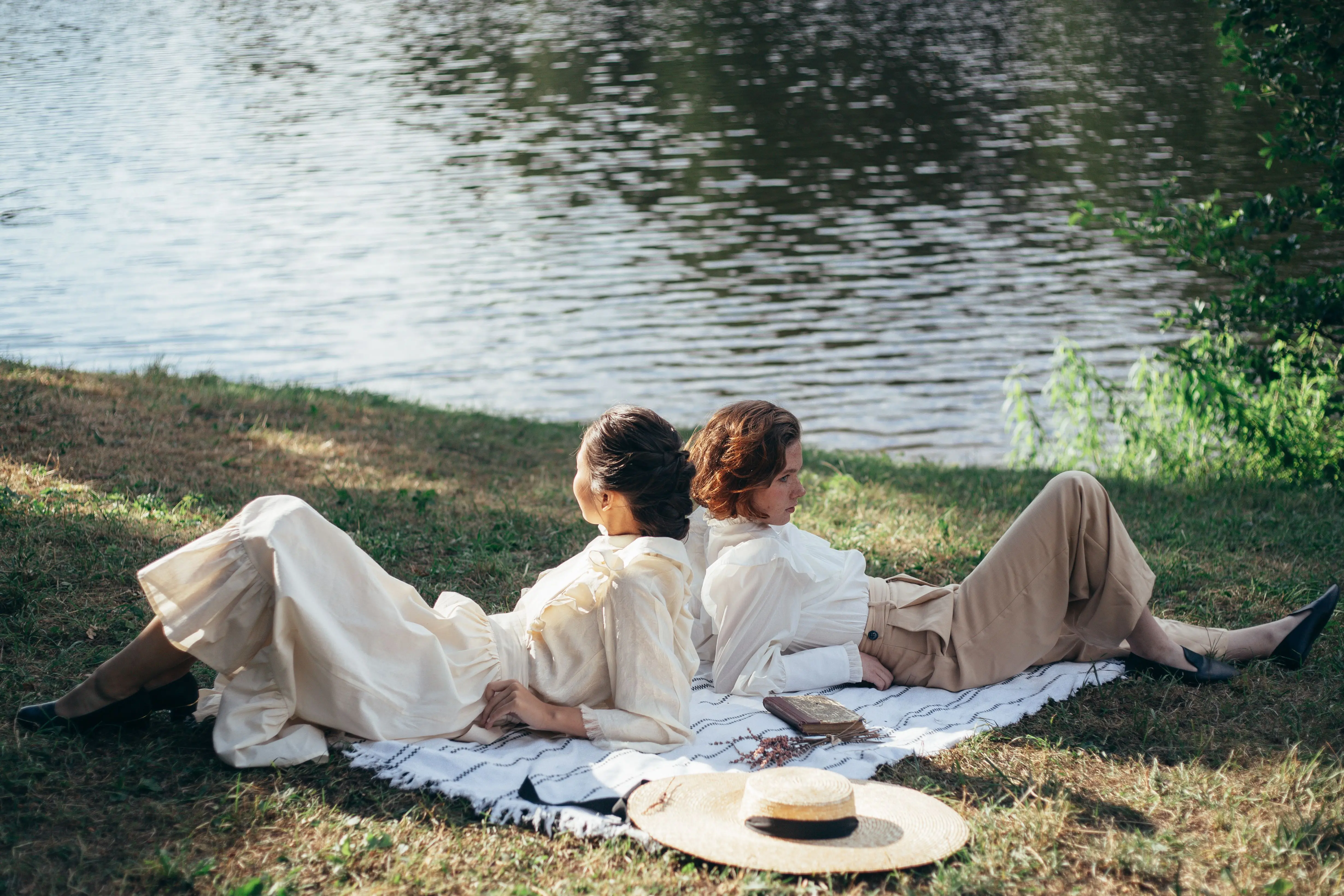
That is a distinction between old money and new money. New money loves logos, bold branding, and items that you can see from a distance. Old money fashion style hides its price tag. A cashmere sweater without any logos? More expensive than a hoodie with all the logos, and more stylish, too.
Some clues reveal the style quickly:
- Neutrals and muted colors rather than loud prints.
- Natural fabrics: wool, cotton, linen, cashmere
- Sharp, simple cuts that fit the body
- A handful of accessories, never a pile
Why Is Old Money Style Making a Comeback?
There was a shift in shopping, scrolling, and spending habits. The reasons for the change.
Fatigue With Fast Fashion and Logomania
Purchase a $15 shirt, wash the shirt three times, watch the shirt fall apart. It has been a cycle that has exhausted many people. With fast fashion, consumers were becoming accustomed to a new drop every week, but when there were endless thin, disposable clothes in their closets, something wasn't exciting anymore.
The new flex is quality over quantity. One good wool coat is better than five puffer jackets that perish in one season. People are doing the calculations right now, and old money style, which is about the longevity of a piece, prevails.
Logos are also losing their "foothold". The old days had a giant brand name on the chest that indicated status. Now, it only indicates that you bought advertising on your own sweater!
The Quiet Luxury Shift in Consumer Values
When we were in lockdown, people had a lot of time to sit with their closets and ask tough questions. Would they have to bring forty pairs of shoes? Has the fast fashion haul really made you happier or just more cluttered?
From this emerged quiet luxury - less consumption, more quality, more longevity. A blazer is no longer a one-season-only style. People began using clothing as if it were a durable pair of sunglasses or a pair of good headphones, which you purchase and then use for the long haul.
Social Media's Role in Reviving the Aesthetic
TikTok gets a lot of credit for this one. There were videos that created entire followings: "Get ready with me" videos that would break down exactly which blazer, which loafer, which shade of beige to buy. Old money style got hundreds of millions of views, and it was as simple as watching a 15-second video to duplicate it.
TV and celebrity fashion aided in the momentum. Older, wealthy families produced shows featuring custom-made coats and pearl earrings weekly. Red carpet looks followed suit: less sparkle, more structure.
A Search for Timelessness in an Uncertain World
Job markets shift. Prices climb. There's a news cycle that moves at a lightning pace, and it leaves everyone with a headache. Where that is the case, a non-fad wardrobe begins to feel like home ground.
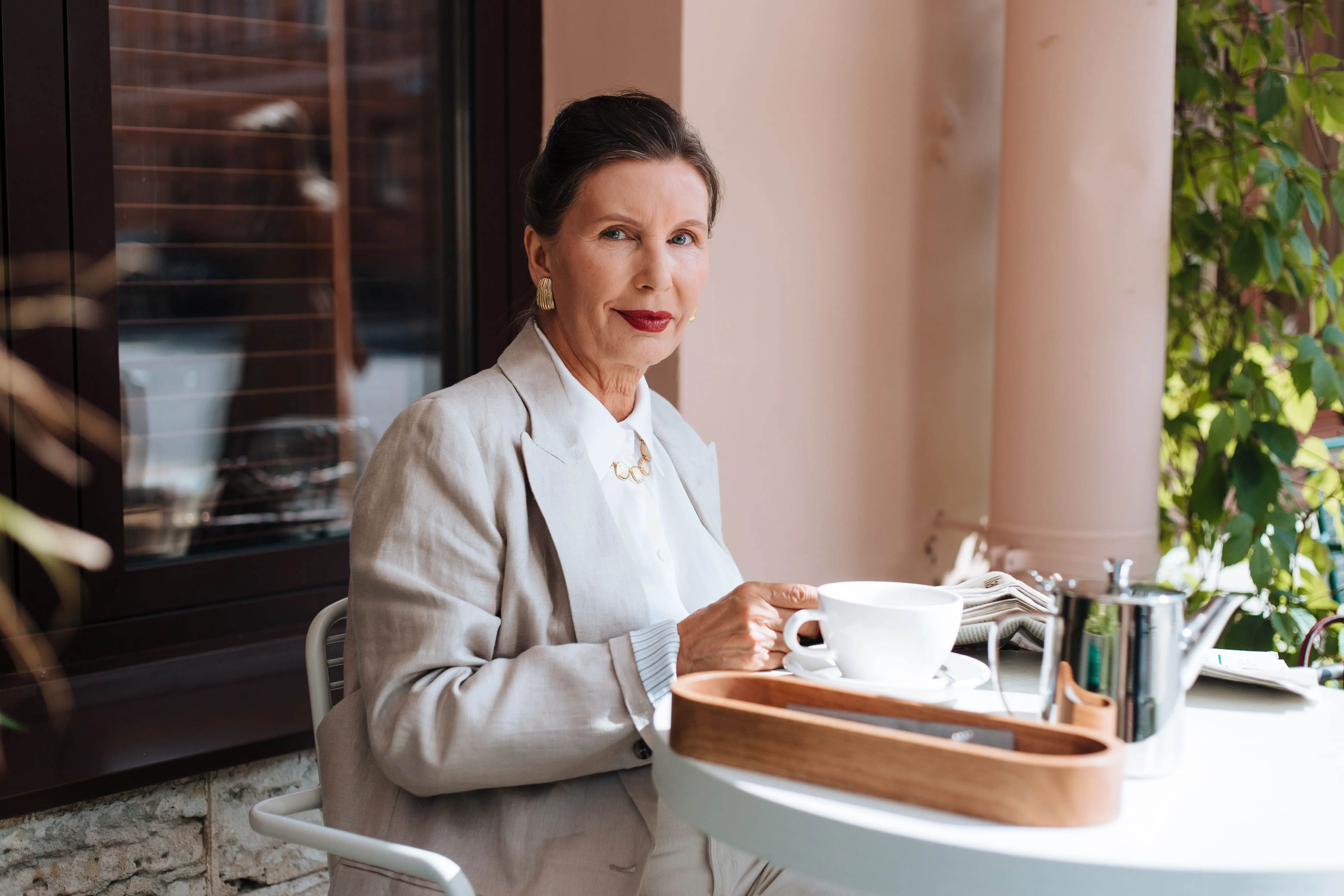
Old money style provides that. This year's navy blazer will still work 5 years later. This sort of stability isn't often found, and individuals desire more of it in their closets and anywhere else.
The Preppy Aesthetic Connection
Preppy style and Old Money fashion started at the same time, but they are not twins.
How Preppy Style Laid the Groundwork
Preppy style originates from the land of college campuses, tennis courts, and country club lawns. This is the origin of the polo shirt, the boat shoe, and the cable knit sweater. Preppy fashion is one of the first design breaks into old money style, which is a more lighthearted and fun version of the concept.
Where the Two Aesthetics Overlap and Differ
Both styles prefer natural fabrics and sharp-cut clothes. Both skip flashy branding; both skip expensive branding. But the tone splits in a few clear spots.
| Feature | Preppy | Old Money |
|---|---|---|
| Color | Bright, pastel mixes | Muted, neutral tones |
| Pattern | Stripes, plaid, prints | Little to none |
| Mood | Fun, collegiate | Formal, restrained |
| Accessories | Bold pieces (bows, pins) | Small, understated pieces |
Think of preppy as old money's younger sibling. Same family values, louder personality.
Old Money Style for Men
With men, it's all about fit and fabric. Don't flash, just pay attention to cut.
Wardrobe Staples
A short list constructs most outfits:
- Structured blazers in navy, gray, or camel
- Chinos in neutral shades
- Oxford shirts in white or light blue
- Quality knitwear in merino wool or cashmere
Mix any two or three, and you've got a full outfit that works for a dinner or a meeting.
Why Bespoke Tailoring Matters
Fit is the game. A straight off-the-rack blazer rarely fits well on the shoulders. Bespoke tailoring is the answer to that. Clothing that is taken in at the waist or cut to fit your frame entirely will alter the overall effect. It's not unusual to see two men wearing the same blazer, but a man who is well-fitted will look better every time.
Yes, customization increases initial expense. Run the math anyway. So if you buy a jacket for $400 and wear it for 10 years, that's $40 per year. The sixty dollar jacked up after a season, is more expensive in the long term, and it wasn't as good as it could have been. After considering cost per wear rather than the sticker price, tailored items no longer seem like a luxury.
Finishing Touches
The finishing touches are small details. The classic leather loafers, leather or metal watch band, and plain leather belt do more of the work than any statement piece. No logos, no flash, only quality in silence. It's completed with a basic leather wallet, dark sunglasses that don't take the spotlight from the rest of the collection, and it definitely looks chic. The importance of even socks cannot be stressed enough. When you sit down and your pants leg rides up, a plain navy or gray sock is preferable to a loud print.
Old Money Style for Women
For women, old money style is a combination of casual clothing and minimal but sharp accessories.
Wardrobe Staples
Start with these:
- Tailored blazers in neutral shades
- Silk blouses
- Pleated skirts
- A classic trench coat
They all fit together, and getting dressed becomes less of a jigsaw puzzle and more of a quick get-dressed.
Accessories and Details
That's not the point here. A pair of earrings or a pendant necklace, an organized leather bag, and a silk scarf that is tied loosely around the neck or looped through a bag handle contain an entire outfit. Avoid any fashion that will become out-of-date for next season.
Hair and Grooming Cues
The same goes with the hair: sleek but never too much. A sophisticated low bun, natural waves, or a blowout will all work. Makeup is light, about clear skin and not heavy contour or strong color.
Accessories and Details
It's not about more. A pair of pearl earrings or a necklace of pearls, a bag that has a defined shape, a leather bag, a silk scarf that is tied around the neck or tied through the bag handle, all carry an entire outfit. Avoid trendy pieces that may become out of fashion for next season. A top leather black or camel handbag is a great accessory, can last for a long time, and can be worn with most outfits in a neutral color rotation.
Hair and Grooming Cues
Just like the clothes: shiny, but not too shiny. A sleek low bun, soft natural waves, or a clean blowout look great. Makeup is light and concentrates on a clear complexion instead of heavy contour and color. The objective is to appear put together while not appearing as if you've been there for hours. A neutral lip and light-on makeup, or mascara, may complete the look better than heavy-up makeup when compared to the full-face beauty.
Why This Comeback Has Staying Power
Old money is not on the nostalgia train. It's responding to a real question: people are looking for less clothing, better textiles, and a more timeless look that will last another year and beyond.
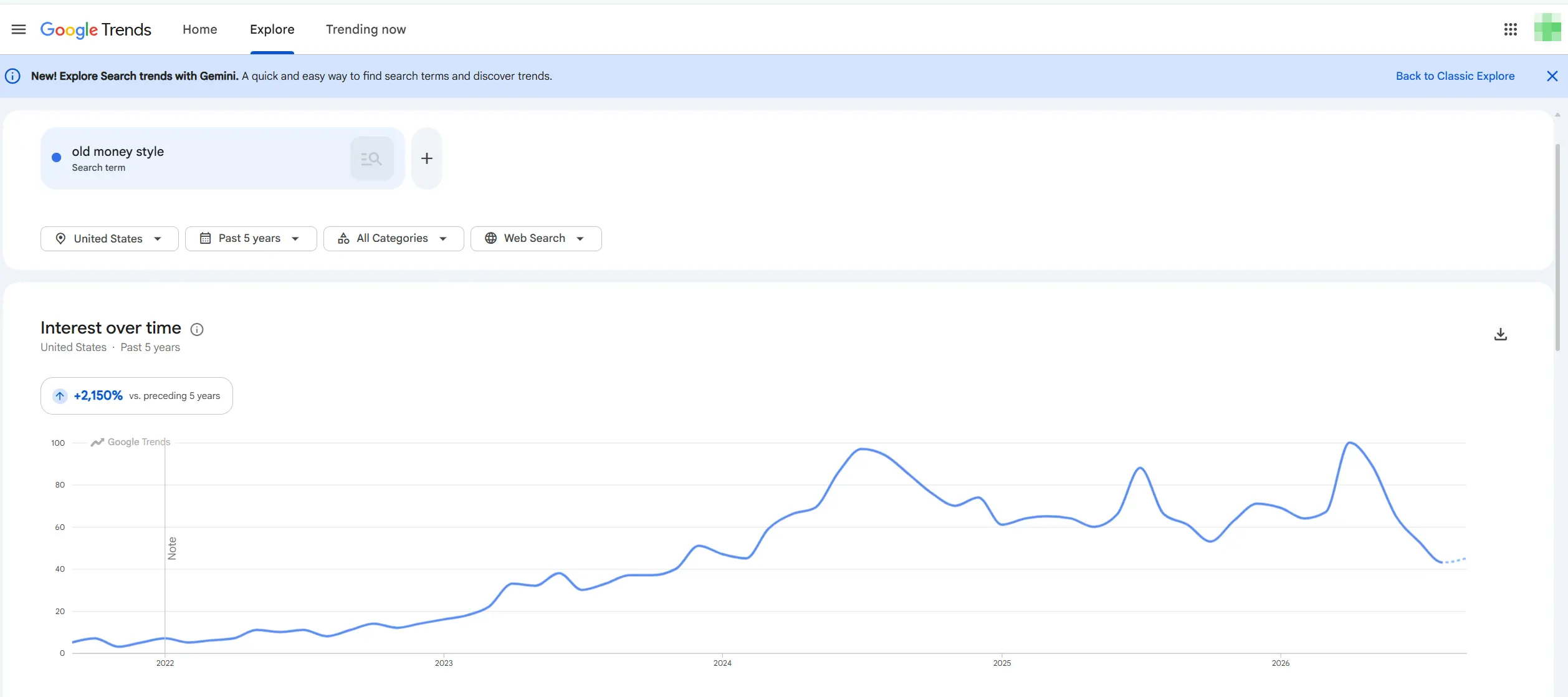
This has created a system of waste for fast fashion, one drop at a time. One closet at a time, old money style retreats! Behind it are the values of quality, fit, and restraint - these do not expire, so look for this look to be in for a long time. Consumers who develop this habit of purchasing clothing they will wear all year long are more likely to keep it in their closets because the items continue to be used annually instead of thrown away after the first season.
FAQ
What is old money style?
Old money is a style of fashion based on wealth. It prefers to wear simple, good-quality clothes rather than logos and conspicuous branding.
2. What's the difference between old money style and preppy aesthetic?
Preppy style has more vibrant hues and fun prints such as stripes and plaids. Neutral colors and no patterns are the hallmark of the old money style, lending a more subdued and formal feel.
3. How can men achieve an old money style?
A neutral blazer, chinos, and an Oxford shirt are the first attire items to start with. Pick up essential pieces that will make your outfit look nice, and then finish it off with loafers and a classic watch.
4. What are the key pieces for old money style for women?
Blazers, silk blouses, pleated skirts, and a trench coat are the foundation. The outfit is complemented by pearl jewelry, a structured bag, and a silk scarf.
5. What makes old money fashion style so popular?
Consumers are moving away from one-off pieces and logos. The look was brought back into fashion by quiet luxury, social media, and the desire for classic clothes.
Related Reading
Written by Garmio
Garmio provides fashion market intelligence for sellers who need clearer product, trend, influencer, and competitor signals before making inventory decisions.
Editorial note: This content supports research and decision-making. It does not guarantee sales, forecasts, fit outcomes, return reductions, or business results.