

The way people dressed after the very old days was very slow in terms of signs. All clothes were made by hand. Making a single linen shirt took weeks. The earliest bone needles are 40,000 years old. There were laws on the fabrics used for clothes. Nowadays, trends can go around the world in days. This article goes over how clothing styles evolved from simple protection to identity and fashion up to the start of the Industrial Revolution. First, let us look at the short version.
Quick Answer: In ancient times, clothing styles were very stable. Temperature, materials, trade, faith, and class determined the style of clothing. Early costumes were made to keep people warm; then they became a mark of class. After some time in the Middle Ages, courts in Europe and many trade routes led to clothing styles changing immediately.
What Do We Mean by "Before the Modern Era"?
This article calls the time before the 18th century "before the modern era". That period extends from prehistory to before factories began producing clothes.
Prehistoric Clothing: Protection Comes First
The first clothes were plain and simple. They weren't for good looks. Their purpose was to keep people safe from nature.
Examine the materials early humans had to work with.
Hides, Furs, and Plant Fibers
In the beginning, men hunted and gathered. For warm places, they wore animal hides and furs. For places with milder weather, grass, bark, trees, and plants were used. Although rough, these made for appropriate clothing.
Otzi the Iceman lived 5,300 years ago in the Alps. He wore a leather goat-hide coat, as well as woven grass robes. This suggests that primitive people could make clothing from rudimentary materials.
Needles, Thread, and Early Cloth
New tools improved clothing-making skills. Bone sewing needles appeared over 40,000 years ago. Needles allowed people to stitch hides together to form fitted garments. Clothes fitted more snugly, keeping warmth in and wind out.
Cloth was next. Twisted fiber of flax was found in a Georgia cave. Some are 30,000 years old. A few had dye traces on them. Spinning and weaving made cloth. Cloth is lighter and moves better than hide.
Ornament before fashion
People first made ornaments on their bodies. Shell beads found in North Africa are over 70,000 years old. Ornamentation means dress can convey meaning. A necklace or pattern can signify group belonging, belief, or status.
Ancient Civilizations: Fabric, Status, and Symbolism
Farming, cities, and trade altered lives. Cloth evolved into a commercial item. Quality signified status. Clothing became indicative of one's rank.
Egypt: Linen and Climate
Egypt is scorching. Linen from flax suited the heat. It felt light and cool. Men wore a wrapped kilt. Women wore a long dress.
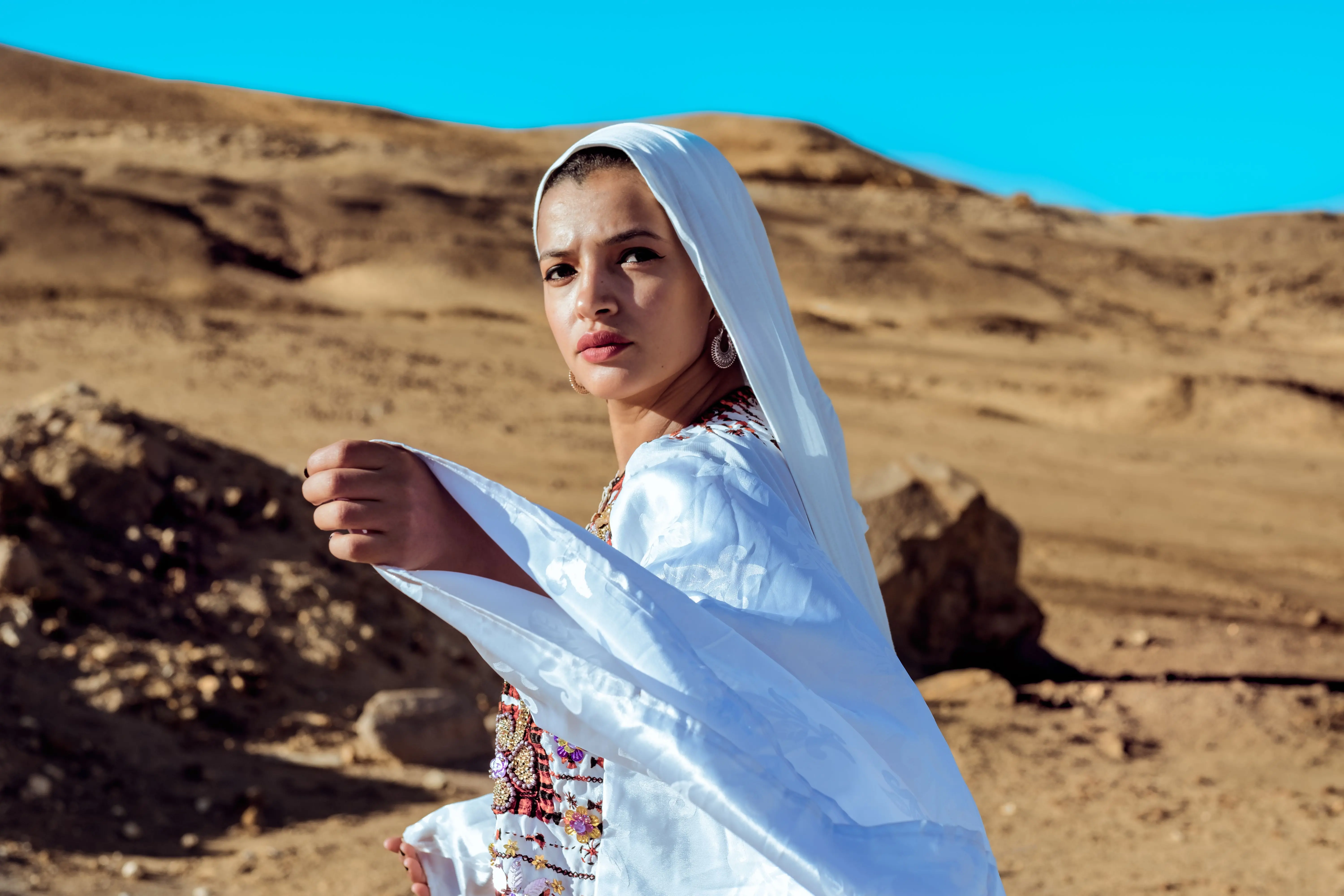
Quality revealed status. Finer linen was smoother. Pleating required skill and effort. Elites wore wigs, wide collars, and jewelry. Clothes indicated social standing.
Mesopotamia and the Indus Valley
Mesopotamia used wool from sheep. Sumerian art shows shaggy wool skirts. Cloth was traded widely in the region.
Indus Valley people grew cotton thousands of years ago. Traces of cotton textiles were found at Mohenjo-daro. These early societies created the basis for textile trade in Asia.
Greece and Rome: Draped Garments
The Greeks wore large pieces of cloth as clothes. They used pins or belts to hold them. Not much cutting or sewing was done. Common types were:
Chiton: a light tunic pinned at the shoulders. Peplos: a heavier wrapped dress for women. Himation: a cloak draped over the body.
The Romans made dress mean social class. The toga was for citizens. Senators wore a purple stripe signifying wealth as well as rank.
China and India: Silk, Cotton, and the Silk Road
Silk originated from China. People there have been making silk for thousands of years. It feels soft and has a shiny look. Many tried to duplicate it unsuccessfully. Therefore, rulers long guarded the craft.
India was known for cotton, fine muslin, and dyes like indigo. Traders took these along the Silk Road and by sea. Those routes thrived after the second century BCE. They spread fabrics, dyes, and ideas across continents.
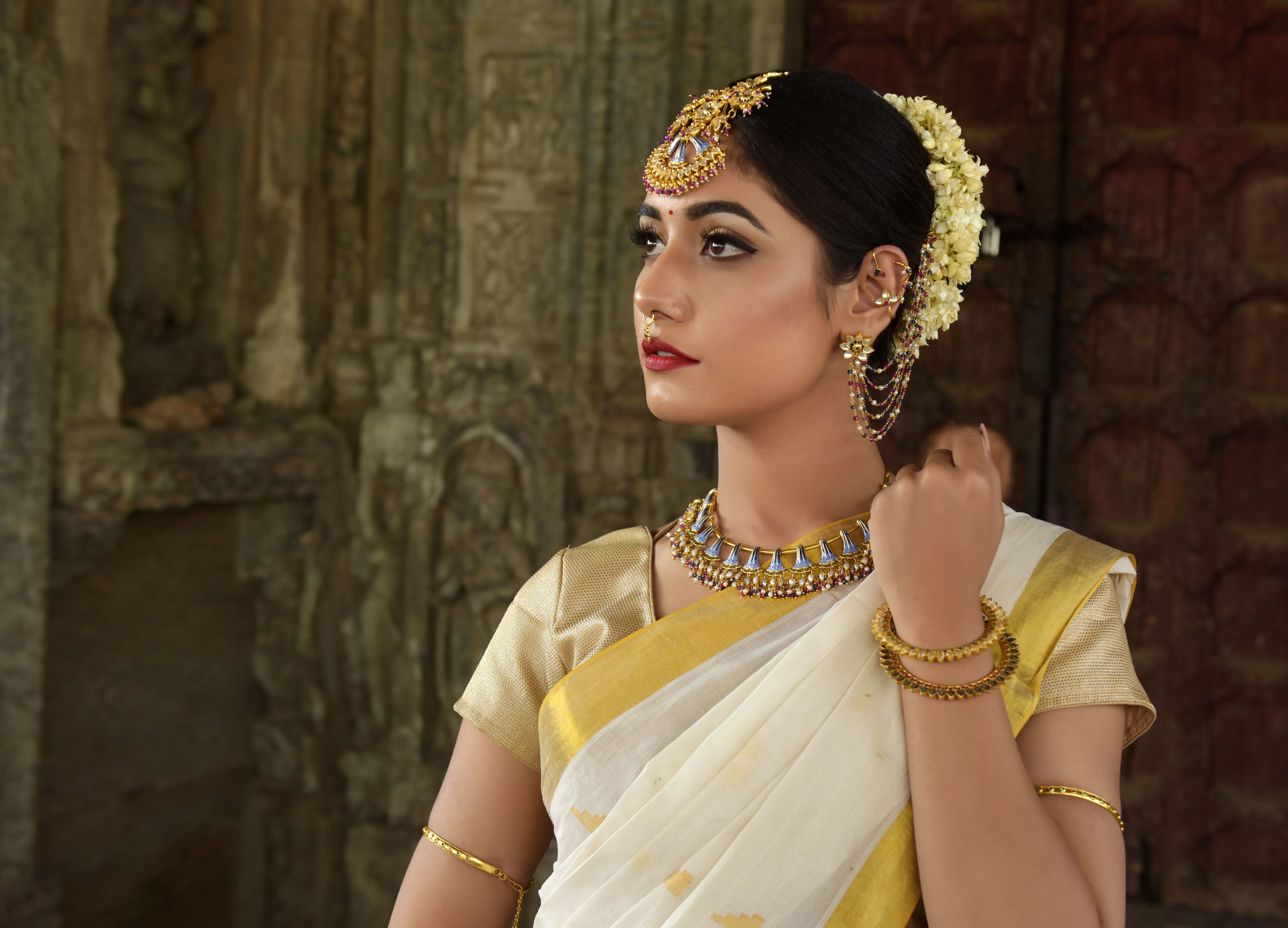
Takeaway: In ancient times, Clothing showed who you were, beyond warmth.
The Middle Ages: Class, Religion, and Sumptuary Laws
The Middle Ages lasted from the 5th to the 15th century. Clothing showed what class people belonged to. Laws, religion, and guilds determined what people wore.
Each of these affected dress styles.
Clothing as a Class Marker
Feudal society was clearly hierarchical. Peasants wore plain wool and linen fabrics in dull colors. Noblemen wore silk, fine wool, and furs. Bright colors were costly. Rich colors signaled wealth.
Rank could be spotted from afar. This was the intent.
Sumptuary Laws
Rulers wrote codes about dress. These were sumptuary laws. They restricted specific fabrics, colors, or ornamentation to certain people groups. In 1363, England instituted specific legislation on clothing. Ownership was related to rank and income.
Two objectives existed for these laws: First, it was vital to establish clear lines among social strata; secondly, to prevent overspending among individuals. Nevertheless, numerous people disregarded them. Consequently, rulers had to frequently maintain identical rules.
The Black Death epidemic in the 1340s led to changes. Workers became fewer hence their wages increased; such that many could afford finer clothes. Consequently, legislators enacted tougher prohibitions.
Religion and Other Textile Traditions
Faith shaped dress in many ways. In Europe, clergymen wore set robes. Monks donned modest habits. Modest clothes were seen as normal for church life.
In the Byzantine Empire, heavy silk with patterns was made. It is said that silkworms came to Byzantium in the 6th century under the orders of Emperor Justinian. Islamic places made tiraz textiles with woven bands that mentioned rulers. Silk and cotton were traded between these areas and Europe.
From Draped to Fitted
Earlier medieval clothing was loose. Long tunics and robes were common. But from the 1300s, tailors cut cloth into shaped pieces and sewed them with seams. Buttons and laces helped them fit closely.
The length of men's clothes became shorter. A fitted doublet went over hose. Women's gowns were close-fitting on the body. Many historians view this change as a first step toward modern fashion.
Guilds and Skilled Makers
Trade groups called guilds set fair standards for weavers, dyers, and tailors. They taught apprentices and checked the quality of work. Everything was hand-made. A tailor, or craftsman, made each piece as expensive as it was special. So, prices were high and styles changed slowly.
The Renaissance: Fashion as Display
This was a period from 1400 to 1600. Wealth increased in Italian cities and Europe. Clothes were a way to show opulence.
Trade, money, and royals dominated new fashions.
Trade, Banking, and Luxury Cloth
Florence, Venice, and Genoa prospered through trade. Merchants and bankers showcased their wealth via luxurious fabrics such as silk and gold. High demand led to thriving weaving centers.
Court Fashion
Courts set the trends. Elaborate clothing worn by nobility had distinct features like:
- Ruffs: Small neck frills that became large starched collars
- Slashed sleeves: Cuts revealing brightly colored lining underneath
- Farthingales: Hoops enabling skirts to take on cone shapes
- Rich fabrics such as velvet, silk, and heavy embroidery
The slashing style originated from German-Swiss troops but was subsequently adopted by nobles who elevated its sumptuousness.
How Styles Spread
In the 1400s, printing helped spread styles. Pictures of clothes in books showed how others dressed. Vecellio's book from 1590 did this. Portraits and travelers shared looks too.
Trendy styles spread. Influencers wore them, and more saw them.
Regional Looks
Regions had their own tastes. Italians liked rich fabrics. Spaniards wore dark colors. French styles were smart; English Tudor dresses were different.
Black dye was expensive. Spanish black dress showed status. Then courts copied it.
The 17th and 18th Centuries: Royal Houses, Colonial Trade, and the First Fashion Press
Europe's trade activities had already gone transoceanic by then. Faster communication of styles, goods, the latest designers, etc., was the reason for this. Fashion was now moving at a regular pace.
French Court Influence
Louis XIV ruled France from 1643 to 1715. His court at Versailles became the style center of Europe. The French led in the fashion of silk, lace, and tailoring. The government gave support to textile manufacturers in towns like Lyon. Clothes became a part of national industry.
Global Trade and New Materials
Trade also provided fabrics and dyes. The European market was captivated by Indian cotton and especially the print-patterned chintz, which was light, washable, and colorful. Domestic wool and silk manufacturers resented the competition. France prohibited cotton print imports in 1686. The same policy was adopted by England in 1700. The demand for these fabrics was so high that people still looked for the cloth.
Colors of fabrics were also changed by importing dyes. A powerful red color was obtained from cochineal, which was mainly brought from the Americas. There was indigo that gave the darkest blue. It became the color of clothing that changed wardrobes of different periods.
Fashion Plates and Early Magazines
The media kept getting a bit more popular as the audience grew. In the French context, Mercure Galant started publishing in 1672. They covered the gossip in the palace and among its people through clothing as one of the media of their storytelling. It was fashion plates that came after. A fashion plate was basically a picture that represented the newest dress styles, and it was printed. In 1778, Galerie des Modes was born. Fashionable dressmakers, one of whom was Rose Bertin, who served Marie Antoinette, became a famous name among the people.
Now prints circulated even among less-wealthy people. New fashions were more accessible for the majority of people.
Faster Change Among the Wealthy
Fashions started to change very quickly during that period, only every few years! The wide panniers and the robe à la française eventually got replaced during the 1790s by simply light cotton and muslin dresses. Men's clothing also saw a shift from brightly colored silks to a plain English style of tailoring. The wealthy always managed to keep up with the latest trends, while the majority of people couldn't do much, as clothes were more or less out of reach.
Machines Begin to Change Supply
The invention of textile tools became rapid. After the introduction of the flying shuttle in 1733 came the spinning jenny in the 1760s, then the water frame in 1769. The machines worked so much faster, and thread was produced in larger quantities, leading to more cloth on the market and consequently lower prices. It was the kind of situation that was needed in order to initiate the Industrial Revolution!
Timeline Summary Table
Here is the full story at a glance. Use it as a quick reference.
| Period | Key materials | Typical silhouettes | What drove change |
|---|---|---|---|
| Prehistory | Hides, furs, plant fibers, early flax | Wraps and simple sewn garments | Climate and survival |
| Ancient world | Linen, wool, cotton, silk | Draped tunics, kilts, togas | Trade, status, climate |
| Middle Ages | Wool, linen, silk, fur | Long robes, then fitted doublets and gowns | Class, law, religion, guilds |
| Renaissance | Velvet, silk, brocade | Structured bodices, ruffs, wide skirts | Trade wealth, courts, print |
| 17th and 18th centuries | Silk, cotton, lace, new dyes | Panniers, tailored coats, light gowns | French court, global trade, media |
What Drove Clothing Change Before the Modern Era?
Four forces made styles evolve consistently.
Materials and Technology
Improved tools led to better fabrics. Needles, spindles, looms, and dyes increased options. Fresh fibers altered clothes' looks and feel.
Trade and Exchange
Trade routes brought silk, cotton, and dyes from afar. New products formed new likes. Rulers sometimes restricted imports for local makers.
Class, Law, and Religion
Clothes signified status. Laws sought to enforce it. Faith influenced modesty and ritual. These rules delayed or ignited change at different times.
Courts and Early Media
Courts dictated fashion. Prints, books, magazines spread it. Influential individuals showcasing styles became trendsetters.
These four forces still shape fashion, just much quicker now.
From Slow Change to Trend Cycles
A style used to take a long time to catch on. Now it can catch on with the whole world in just a few weeks. It goes viral on social media and sells online.

It is still the same story. People start wearing something cool. Images of it go viral. Others try to copy the look, except it happens much faster these days and a lot more openly. You can see how trends build up in real time instead of waiting for them to come to you.
Today's brands watch for signals like these:
- Increased searches for specific styles or fabrics.
- Colors becoming popular on social media.
- Silhouettes saved and shared by shoppers.
This is the new way of spotting trends, which is much faster than the old-fashioned method. Want to find out more about how quick fast fashion works? Read our guide on what fast fashion is.
Bottom Line
Initially, clothing was used mainly for protection. Later, it transformed into a means of communication and social symbolism. In modern times, it is fashion that people are mostly obsessed with. Materials, trade, class, and communication played a major role in these transformations. The factors that led to change in the past are still at work, and now, in a much faster way. You can catch fashion trends with Trend Finder at Garmio before they reach their peak. Discover what customers are asking for next, and plan your collection with the best confidence that comes from understanding the market deeply.
Frequently Asked Questions
How did people make clothing before the modern era?
They made it by hand. Families spun thread, wove cloth, and sewed clothes at home. Later, guilds and tailors made clothes for customers.
What was the first clothing material?
First, people wore animal hides to stay warm. Then they started using plant fibers like flax to weave cloth.
Did people follow fashion trends in the Middle Ages?
Yes, but slowly at first. As time passed, wealthy people adopted fitted and shorter garments. Trends spread through courts and trading cities.
What were sumptuary laws?
Rulers restricted clothing choices based on class. Certain fabrics and colors were reserved for nobles to show status.
How did the Silk Road affect clothing styles?
Silk and cotton went from Asia into Europe along the long roads. New clothes were made out of these materials.
When did fashion as we know it begin?
Some say it began in Europe in the 1300s. The tailors started making fitted clothes. Styles began to change more often. Others say it began in Renaissance courts later.
How did the Industrial Revolution change clothing?
Machines made thread and cloth. Factories and sewing machines made clothes cheap. Many people could buy clothes. There was no more making clothes by hand.
Related Reading
Written by Garmio
Garmio provides fashion market intelligence for sellers who need clearer product, trend, influencer, and competitor signals before making inventory decisions.
Editorial note: This content supports research and decision-making. It does not guarantee sales, forecasts, fit outcomes, return reductions, or business results.